
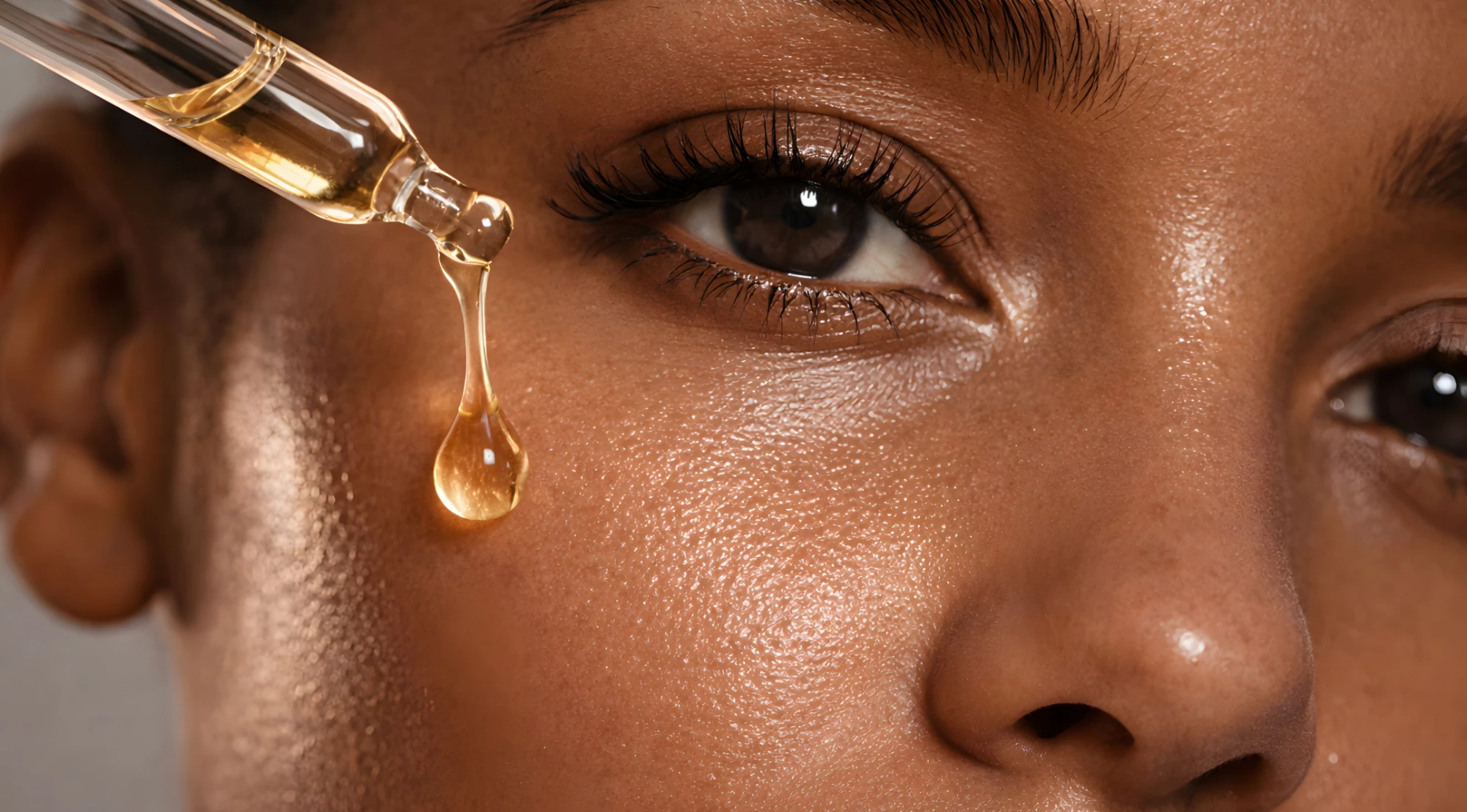
Quick answer: The Bright Express Turmeric with Saffron Extra Brightening Face & Body Serum combines turmeric, saffron, kojic acid, niacinamide and hyaluronic acid in one 30ml bottle. Each ingredient does a different job, so together they help even out the look of dull, uneven skin and keep it hydrated.
The wish for a radiant, even-toned complexion is nothing new. From traditional beauty rituals to modern skincare science, brightening ingredients have long been used to help skin look more luminous and to even out the look of dark marks. The question is whether one serum can bring several of them together. This one does, with five ingredients that work in different ways.
Understanding skin brightening
Brightening ingredients tend to work in a few ways. Some slow the enzyme that makes melanin, the pigment behind dark marks. Some protect the skin from everyday damage. Others support the skin barrier and hydration so skin looks and feels better. A serum that combines several of these approaches covers more ground than a single ingredient on its own.
Turmeric: a long-loved golden spice
Turmeric has been part of beauty routines for generations, particularly across South Asian cultures. Its main active compound, curcumin, has antioxidant and anti-inflammatory properties.
What the research says
A systematic review of 18 human studies found early evidence that turmeric and curcumin products may support skin health, while noting that the published studies are limited and more research is needed.[1] Most of that work looked at skin conditions rather than brightening, so we describe turmeric here as a traditional, skin-friendly ingredient rather than a proven lightener.
What it adds
A warm, radiant look and a soothing, antioxidant element in the formula.
Saffron: luxury meets tradition
Saffron is the most expensive spice in the world and has been treasured in Persian and Indian beauty traditions. It is rich in antioxidant compounds, including crocin and crocetin.
What the research says
In a laboratory study on mouse melanoma cells, crocetin from saffron reduced tyrosinase activity and melanin content, and the authors suggested it could be a potential skin whitening ingredient.[2] This was a cell study, not a study on people, so it points to a promising mechanism rather than a guaranteed result on your skin.
What it adds
Antioxidant support and a luminous finish that complements the other brightening ingredients.
Kojic acid: the melanin-pathway ingredient
Kojic acid is made by fungi and is widely used in cosmetics to help lighten the look of dark marks.[4] It works by blocking tyrosinase, the enzyme needed to make melanin.
What the research says
A systematic review of randomised and controlled trials for melasma gave kojic acid a grade A recommendation among topical agents, alongside hydroquinone, triple combination creams, sunscreens and azelaic acid.[3] Results are gradual and vary from person to person.
What it adds
A targeted ingredient for the look of uneven tone and dark marks. The product page notes that kojic acid can cause irritation, redness or peeling in the early stages of use while your skin builds tolerance, especially around the eyes and mouth, so patch test first and introduce it steadily.
Niacinamide: the all-rounder
Niacinamide (vitamin B3) is one of the most widely used ingredients in skincare. It supports the skin barrier and works well alongside other actives.
What the research says
In a randomised clinical study, a moisturiser containing 5% niacinamide significantly reduced facial hyperpigmentation and increased skin lightness compared with a vehicle moisturiser after 4 weeks. In the laboratory part of the same study, niacinamide reduced the transfer of pigment (melanosomes) to skin cells.[5] The concentration in this serum is not stated on the product page, so these figures show how the ingredient behaves rather than what this bottle will do.
What it adds
Support for an even, refined look to the skin, and a balancing partner for the stronger actives.
Hyaluronic acid: the hydration hero
Hyaluronic acid is a humectant, which means it helps skin hold on to water. It plays a supporting role here: well-moisturised skin looks plumper and brighter, and it can feel more comfortable while you use active ingredients.
What the research says
A review of topical hyaluronic acid describes it as a key ingredient in cosmeceuticals for its hydration properties, and reports that several clinical studies indicate it is both well tolerated and effective for improving skin hydration.[6]
What it adds
A dewy, hydrated finish and a more comfortable routine.
Why this combination makes sense
Turmeric and saffron bring traditional botanicals with antioxidant benefits. Kojic acid targets the melanin pathway. Niacinamide supports the skin and the look of even tone. Hyaluronic acid keeps skin hydrated. Together they approach a dull, uneven complexion from several angles, which is why many people prefer a combined serum to a long list of separate products.
Who it suits
The serum is made for face and body, so it suits anyone who wants to even out the look of dull skin or dark marks on the face, neck or body. It is not suitable if you are pregnant or breastfeeding, and it is for external use only. If you have sensitive skin or a skin condition, ask a pharmacist or GP before using a kojic acid product.
How to use
- Cleanse your skin with a gentle cleanser.
- Apply a few drops of serum to clean, dry skin.
- Massage gently into the face and neck, or any area of the body you want to target. Avoid the eyes and mouth.
- Follow with your regular moisturiser.
- Use SPF 50 sunscreen during the day. This matters whenever you use brightening ingredients.
Patch test before first use. A slight tingle can be normal, but if you feel burning, rinse the product off straight away and stop using it. Brightening takes time and results vary, so use it consistently and be patient.
The bottom line
You do not need a complicated routine to look after uneven tone. One serum that combines turmeric, saffron, kojic acid, niacinamide and hyaluronic acid covers brightening, support and hydration in a single step.
Shop the Bright Express Turmeric with Saffron Extra Brightening Face & Body Serum 30ml for £7.49 (was £9.99), or browse our full brightening range.
Frequently asked questions
It combines turmeric, saffron, kojic acid, niacinamide and hyaluronic acid in one 30ml bottle. Each ingredient does a different job, from antioxidant support to hydration.
Yes. It is made for face and body, so you can use it on the face, neck or any area of the body you want to target. Avoid the eyes and mouth.
Apply a few drops to clean, dry skin, massage in gently, then follow with your usual moisturiser. Use SPF 50 sunscreen during the day.
Yes. Sunscreen matters whenever you use brightening ingredients, so use SPF 50 each day.
It can. Kojic acid may cause irritation, redness or peeling in the early stages of use while your skin builds tolerance, especially around the eyes and mouth. Patch test first and introduce the serum steadily. If you feel burning, rinse it off and stop using it.
No. It is not suitable if you are pregnant or breastfeeding. If you have sensitive skin or a skin condition, ask a pharmacist or GP before using a kojic acid product.
Brightening is gradual and results vary from person to person. Use the serum consistently and be patient.
Brightening products to try with it
- Bright Express Turmeric with Saffron Extra Brightening Face & Body Serum 30ml. The serum covered in this post, £7.49 (was £9.99).
- Bright Express Turmeric with Saffron Extra Brightening Face & Body Cream. A cream with kojic acid, turmeric extract and saffron, £9.99. A good partner for the serum.
- Bright Express Turmeric with Saffron Brightening Soap. Exfoliates, cleanses and brightens, £3.79. A simple first step before the serum.
You can also browse our full brightening range.
References
- Vaughn AR, Branum A, Sivamani RK. Effects of turmeric (Curcuma longa) on skin health: a systematic review of the clinical evidence. Phytotherapy Research. 2016;30(8):1243-1264. doi:10.1002/ptr.5640 (PubMed 27213821)
- Hashemi-Shahri SH, Golshan A, Mohajeri SA, et al. ROS-scavenging and anti-tyrosinase properties of crocetin on B16F10 murine melanoma cells. Anti-Cancer Agents in Medicinal Chemistry. 2018;18(7):1064-1069. doi:10.2174/1871520618666171213143455 (PubMed 29237384)
- Sarkar R, Handog EB, Das A, et al. Topical and systemic therapies in melasma: a systematic review. Indian Dermatology Online Journal. 2023;14(6):769-781. doi:10.4103/idoj.idoj_490_22 (PubMed 38099013)
- Ram D, Karthikeyan C, Soni P, Moorthy NSHN. The therapeutic promise of kojic acid: a comprehensive review. Mini-Reviews in Medicinal Chemistry. 2026. doi:10.2174/0113895575405163251027232908 (PubMed 41588958)
- Hakozaki T, Minwalla L, Zhuang J, et al. The effect of niacinamide on reducing cutaneous pigmentation and suppression of melanosome transfer. British Journal of Dermatology. 2002;147(1):20-31. doi:10.1046/j.1365-2133.2002.04834.x (PubMed 12100180)
- Bravo B, Correia P, Gonçalves Junior JE, et al. Benefits of topical hyaluronic acid for skin quality and signs of skin aging: from literature review to clinical evidence. Dermatologic Therapy. 2022;35(12):e15903. doi:10.1111/dth.15903 (PubMed 36200921)
Leave a Reply