
Benefits Of Pure Glycerin for Face & Skin
Discover the benefits of pure glycerin for face and skin, including hydration and protection against dryness. Learn how it works, the best time to use it, and multi-purpose applications in this research-backed guide.
Introduction to Pure Glycerin for Face & Skin
In the ever-evolving world of skincare, few ingredients have stood the test of time quite like glycerin. Often hailed as a humble yet powerful humectant, pure glycerin for skin has become a staple in many routines, particularly for those battling dryness or seeking to maintain a healthy moisture balance. But what exactly makes this ingredient so effective?
In this comprehensive blog, we delve into the science behind pure glycerin, its numerous benefits, and practical ways to incorporate it into your daily routine. Drawing on reputable sources such as medical and scientific journals, the NHS, the Cosmetic Ingredient Review (CIR), EWG’s Skin Deep, and CosmeticsInfo.org, we’ll provide a research-backed perspective to help you understand why pure glycerin for skin deserves a place in your beauty arsenal.
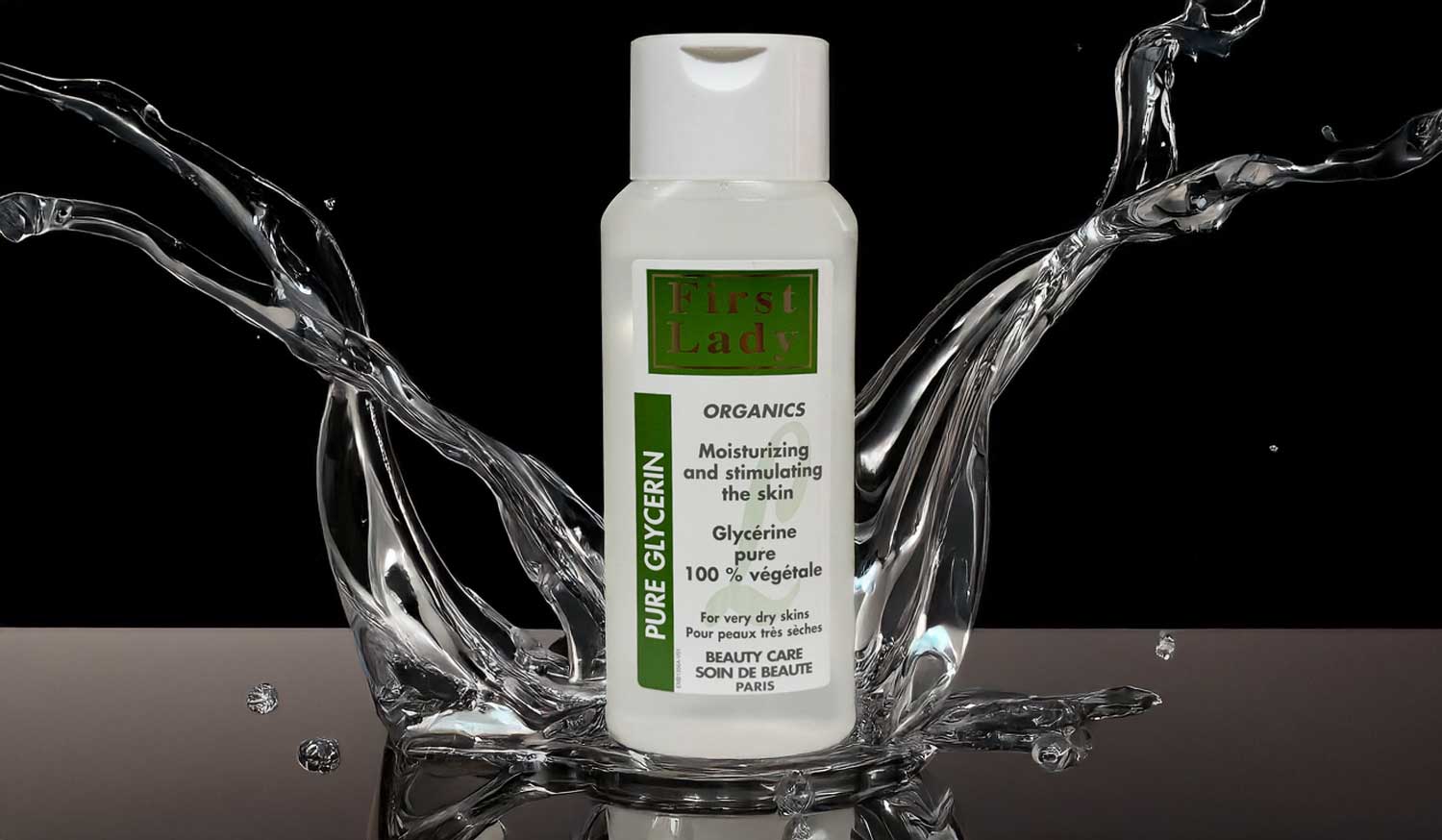
Furthermore, we’ll spotlight a high-quality product, such as First Lady Pure Glycerin, available at https://firstladylondon.com/product/first-lady-pure-glycerin/, which embodies the versatility of this ingredient. Whether you’re new to skincare or a seasoned enthusiast, this guide aims to equip you with the knowledge to use pure glycerin safely and effectively. Let’s start by exploring its fundamentals.
What Is Pure Glycerin?
Pure glycerin, also known as glycerol, is a colourless, odourless, and viscous liquid that occurs naturally in both plant and animal tissues, including human skin and blood. It can be derived from natural sources, such as soybeans, cane, or corn syrup, or produced synthetically through processes like the hydrolysis of fats and oils. In skincare contexts, “pure glycerin” typically refers to a highly concentrated form, often 99% or higher, that is free from additives derived from the plant source.
According to CosmeticsInfo.org, glycerin is a naturally occurring compound and a component of many lipids, making it biocompatible with our skin. This compatibility is why it’s widely used in cosmetics, where it serves multiple functions beyond mere hydration. The EWG’s Skin Deep database classifies glycerin as a humectant with a low hazard score, indicating it’s generally safe for most users when used appropriately.
In essence, pure glycerin is not just an additive; it’s a foundational element in maintaining skin health. Transitioning to its mechanisms, understanding how it interacts with the skin reveals why it’s so beneficial.
How Does Pure Glycerin Work on the Skin?
At its core, pure glycerin serves as a humectant, attracting and retaining moisture from the environment and deeper layers of the skin. This process helps to hydrate the epidermis, the outermost layer, by drawing water molecules towards it. A study published in the British Journal of Dermatology explains that glycerol enhances skin hydration by improving the epidermal barrier function and reducing transepidermal water loss (TEWL). Essentially, it creates a protective layer that locks in moisture, preventing the skin from becoming parched.
Moreover, research from PubMed highlights that the topical application of glycerol-containing products can improve skin properties in conditions such as xerosis (extreme dryness) by facilitating better moisture retention and even aiding in the digestion of desmosomes, which are structures that hold skin cells together. This mechanism not only hydrates but also softens the skin, making it feel smoother and more supple.
From a biochemical standpoint, glycerin’s hygroscopic nature allows it to absorb its own weight in water, as noted in a Nature Scientific Reports article on moisture retention. However, this same property means that in dry climates, undiluted glycerin might draw moisture from the skin itself if not balanced with occlusives. That’s why combining it with other creams and lotions is often recommended. Overall, its working principle underscores its role in maintaining the skin’s natural moisture balance, leading us to its specific benefits.
-
 £6.99
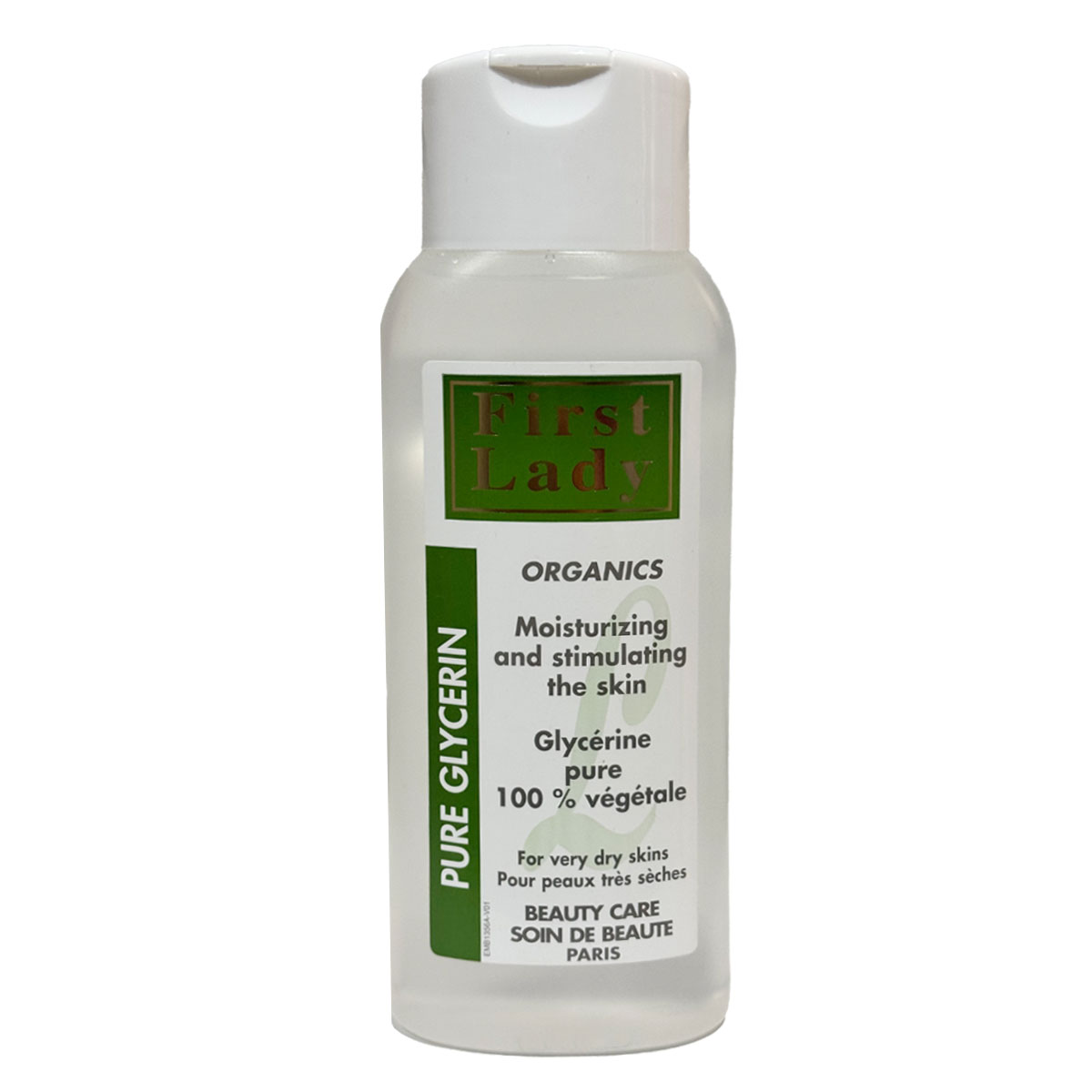
£6.99Experience the ultimate hydration with First Lady Pure Glycerin for Skin. This naturally rich and active glycerin protects the skin while preventing dryness, making it perfect for all skin types, including the driest.
Read our insightful blog: Glycerin Skin Moisturising Benefits
Benefits of Pure Glycerin for Face & Body
The benefits of incorporating pure glycerin into your skincare routine are well-documented in the scientific literature. Firstly, it protects the skin while preventing dryness. By forming a barrier, glycerin shields against environmental aggressors, such as pollution and harsh weather, which can strip away natural oils. The NHS guidelines on emollients for dry skin conditions, such as eczema, often recommend humectant-based products to regulate the balance of lipids and moisture.
Additionally, pure glycerin softens the skin by promoting cellular exfoliation. Studies indicate that it helps break down desmosomes, resulting in a smoother texture without irritation. This is particularly useful for rough patches on elbows, knees, or heels.
Hydrating dry skin is perhaps its most celebrated benefit. As a humectant, it pulls water from deeper dermal layers to the surface, alleviating flakiness and discomfort. A Healthline review supported by dermatological insights notes that glycerin enhances the skin’s ability to absorb ambient moisture, making it ideal for dehydrated complexions.
Furthermore, it excels at maintaining a balanced skin moisture level.
Unlike some moisturisers that can feel heavy, glycerin helps regulate hydration without overwhelming oily skin types. The Cosmetic Ingredient Review (CIR) confirms its safety at high concentrations, with no reported allergic reactions in human studies. EWG’s data supports this, indicating low concerns regarding toxicity.
From a multi-angle perspective, glycerin also supports anti-ageing by improving elasticity and soothing irritated skin. Research in PubMed suggests that it aids wound healing and barrier repair, making it beneficial for individuals with acne-prone or sensitive skin. In oily preparations, as per NHS emollient guidelines, it’s effective for thickened skin without preservatives that might irritate. These benefits make pure glycerin a versatile ally, but timing its use maximises efficacy.
Best Time to Use Pure Glycerin
Timing is crucial in skincare, and for pure glycerin, the optimal moment is after cleansing. This allows it to penetrate clean skin, maximising hydration before other products seal it in. UK dermatologists recommend incorporating glycerin morning and evening to maintain elasticity and prevent dryness throughout the day.
In the morning, apply post-cleanse to prep skin for makeup or sunscreen, ensuring a hydrated base. Evenings are ideal for overnight repair, as skin regenerates during sleep. However, in humid UK climates, daytime use prevents environmental dehydration, while in drier seasons, evening application aids recovery. Always follow with a moisturiser to avoid potential moisture loss in low-humidity settings, as advised by Healthline. This strategic timing enhances its benefits, segueing into practical application methods.
How to Use Glycerin Safely
Using pure glycerin requires care to avoid irritation. Never apply it undiluted directly to the face, as it can cause blistering or dehydration in high concentrations. Instead, dilute with rosewater or distilled water in a 1:4 ratio, one part glycerin to four parts water for safe facial use.
For body application, it can be used more concentrated, but always patch-test on the inner arm for 24 hours to check for allergies. Gently massage onto damp skin after showering for optimal absorption. Mix with vitamin E oil or your favourite cream for enhanced effects. Clinically recommended to combine with serums for targeted hydration. Safety is paramount; the FDA and CIR have deemed it safe for general use. However, if you have sensitive skin, consult a dermatologist. This approach ensures benefits without risks.
Multi-Purpose Uses of Glycerin
Pure glycerin’s versatility extends beyond basic skincare. It can be added to creams and lotions for extra hydration, transforming standard moisturisers into potent barriers. In hair care, it conditions hair strands and soothes the scalp. For lips, it acts as a natural balm, helping to prevent chapping.
Additionally, it’s used in DIY masks with honey for acne treatment or aloe vera for soothing effects. In cosmetics, it is used as a lubricant in soaps and other skin care products. For wounds, its healing properties accelerate recovery. This multi-functionality makes it a household essential.
Spotlight on First Lady Glycerin
For those seeking a reliable source, First Lady Pure Glycerin stands out as a notable option. This product offers high-purity glycerin suitable for direct application or mixing, aligning with the benefits discussed.
Available at https://firstladylondon.com/product/first-lady-pure-glycerin/, this product is ideal for consumers seeking ethical and effective skincare. Its formulation supports all the hydration and protective qualities we’ve explored, making it a practical choice for daily use.
Final thoughts: Embracing Glycerin for Skin Health
In summary, pure glycerin for the skin offers profound benefits, ranging from hydration to barrier protection, and is supported by extensive research. By understanding its mechanisms and using it wisely, after cleansing and diluting it as needed, you can achieve softer, more balanced skin. Products like First Lady Pure Glycerin for face and body make integration seamless. As with any ingredient, listen to your skin and consult experts if needed.
References
- NHS UK: https://www.nhs.uk/ (Emollients and dry skin guidelines)
- Glamour Magazine UK: https://www.glamourmagazine.co.uk/gallery/what-is-glycerin
- SkinChemists UK: https://www.skinchemists.co.uk/blogs/beauty-blog/glycerin
- Dr Emmaline UK: https://www.dremmaline.co.uk/blog/sensitive-skin-ingredients
- Indigo Wellbeing UK: https://www.indigowellbeing.co.uk/blog/whats-in-my-skincare
- Dr Storm UK: https://drstorm.co.uk/blogs/learn-with-dr-jude/the-complete-guide-to-moisturisers-your-key-to-healthy-glowing-skin
- The Loving Nature UK: https://www.thelovingnature.co.uk/blog/how-to-choose-the-right-face-cream
- Earlam and Christopher UK: https://earlamandchristopher.co.uk/news-and-blog/evidence-based-skin-care/
- Vegan Society UK: https://vegansociety.circle-interactive.co.uk/news/blog/conscious-choices/ten-swaps-beauty-routine
- Ethique UK: https://ethique.co.uk/blogs/ethique-products/what-skin-type-do-you-have