Shea Butter for Skin Moisturiser

Short answer: shea butter is a rich, plant-based moisturiser made from the nuts of the shea tree. It may help dry or rough skin feel softer and more comfortable by helping to keep moisture in. It is not a medicine, and it will not change your natural skin tone.

Derived from the nuts of the African shea tree, shea butter has been used in skincare for centuries. Its rich texture suits dry skin and dry areas such as elbows, knees and heels. This guide covers what shea butter does, who it suits, how to use it and what to look for in a shea butter lotion.

Shea Butter for Skin Moisturising

What is in shea butter?

Shea butter contains fatty acids such as oleic, stearic and linoleic acid, along with vitamin E and other plant compounds. Together they form a protective layer on the skin that may help reduce moisture loss, which is why shea butter is common in body butters and lotions made for dry skin.

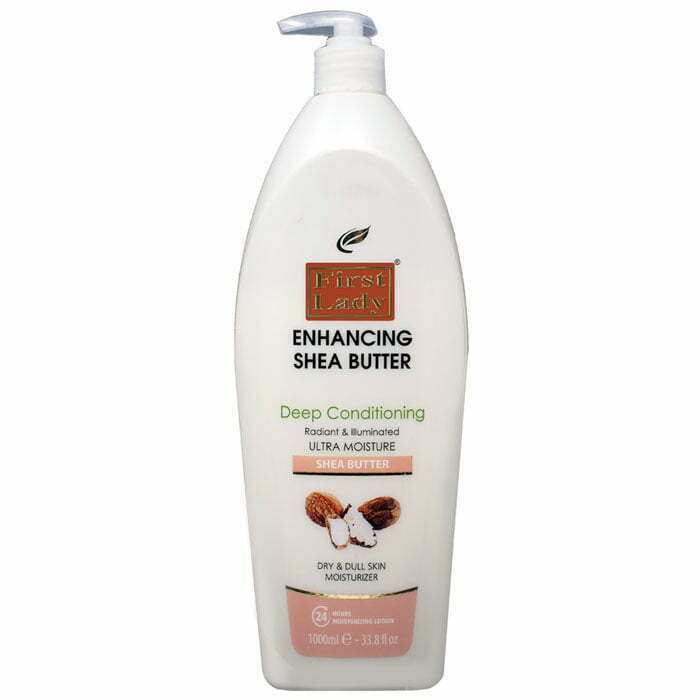
First Lady Enhancing Shea Butter Lotion

Our Enhancing Shea Butter Deep Conditioning Moisturising Lotion is made with shea butter and designed to give long-lasting hydration. The texture is rich but designed to absorb without leaving a heavy, greasy finish, so it suits everyday use on the body.

As with any new skincare product, patch test on a small area first and stop using it if your skin reacts.

Benefits of using shea butter on skin

Hydration: shea butter may help lock in moisture and reduce moisture loss, especially in cold or windy weather.

Comfort: many people with dry or easily irritated skin find shea butter comforting. If you have eczema, psoriasis or dermatitis, speak to your GP or pharmacist before using it, as shea butter is a moisturiser and not a treatment.

Softness and suppleness: regular moisturising may help skin feel smoother and more supple, and may help dry lines look less noticeable.

Rough patches: a rich shea butter lotion may help soften rough areas such as elbows, knees and heels.

Versatility: shea butter moisturisers can be used on the body from shoulders to feet. If you want to use one on your face, choose a formula designed for it and patch test first.

How to use shea butter

  1. Apply to clean, slightly damp skin, such as straight after a shower, to help hold moisture in.
  2. Use a small amount and massage until absorbed. Add more to very dry areas.
  3. Moisturise daily, and morning and night in cold weather.

If you are also using brightening or exfoliating products, put those on first and follow with your shea butter lotion. See our guide to AHA and BHA exfoliants for how to introduce them.

Shea butter for skin: your questions answered

What are shea butter seeds?

Shea butter comes from the kernels, often called nuts or seeds, found inside the fruit of the shea tree, which grows across the African savannah. The kernels are dried, crushed and processed into the butter used in skincare.

Can shea butter brighten the skin?

Shea butter is a moisturiser, so it does not change your natural skin tone. Well-moisturised skin can look healthier and more even, but if you want products designed to help brighten the look of skin, take a look at our Maxi Tone range or our glutathione creams.

Is shea butter safe to use during pregnancy?

Shea butter is a common ingredient in body butters used in pregnancy and is generally well tolerated, but every skin is different. Check the full ingredient list, patch test first, and ask your midwife or GP if you are unsure.

When should you not use shea butter?

Avoid shea butter on broken or infected skin, and stop using it if you notice irritation. If you have a tree nut allergy, ask your GP before using it. Very oily or acne-prone skin can find rich butters heavy, so a lighter lotion may suit you better.

Can I use shea butter on my face?

Pure shea butter is rich, and may feel heavy on the face, particularly if your skin is oily or prone to breakouts. Dry skin may enjoy it. Choose a formula made for the face where you can and patch test first.

Ready to try one? Shop our Enhancing Shea Butter Moisturising Lotion.