How Lemon Soap Fades Dark Spots and Brightens Skin Naturally
Explore the science behind lemon soap’s ability to fade dark spots and brighten your skin using Vitamin C, arbutin, lactic acid, and walnut extracts. Discover benefits, usage tips, and research-backed insights for a radiant complexion.
How Lemon Soap Helps Fade Dark Spots & Brighten Your Skin
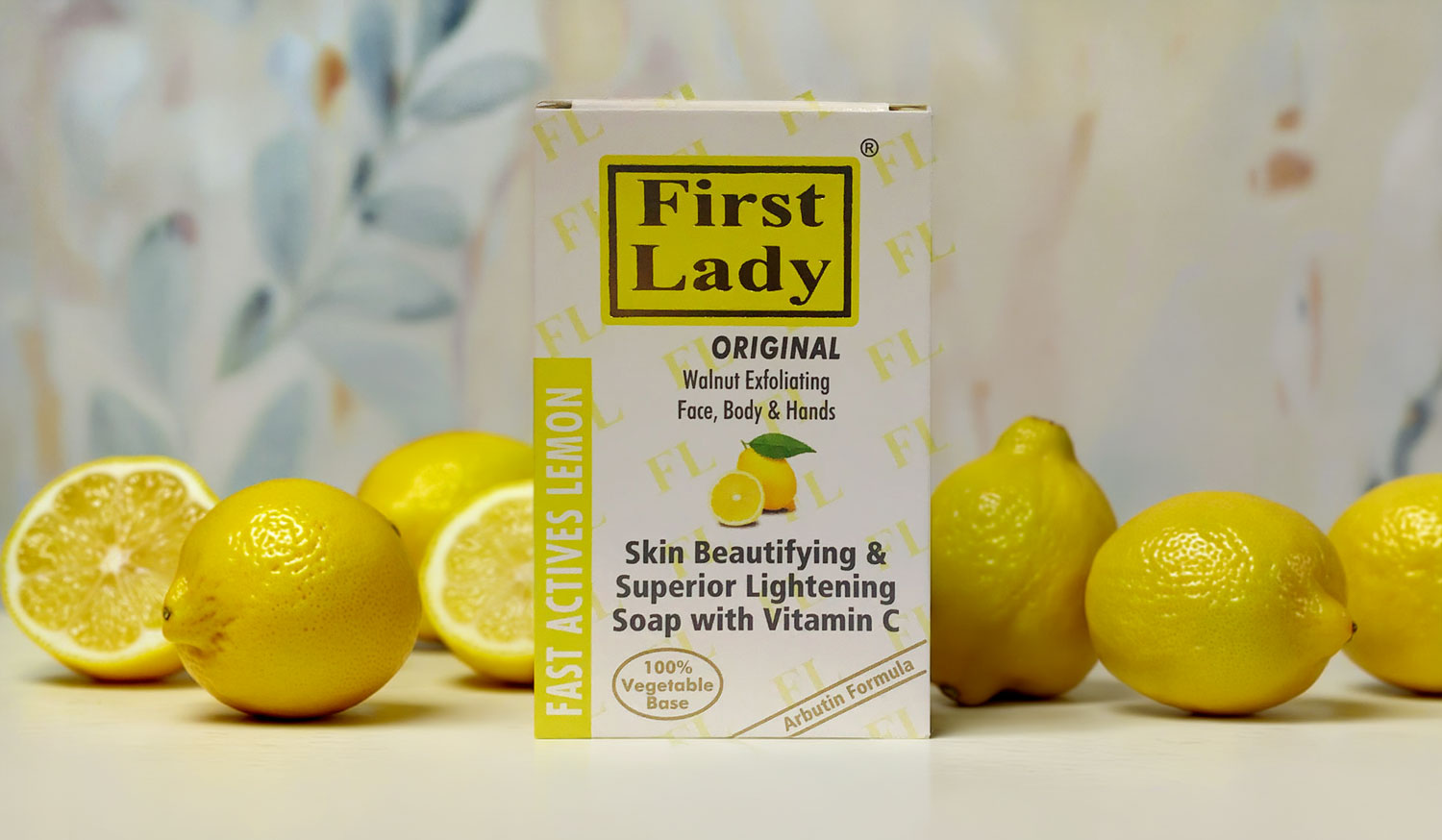
In today’s fast-paced world, achieving a clear, even-toned complexion is a common goal for many. Dark spots, hyperpigmentation, liver spots, and freckles can arise from various factors such as sun exposure, ageing, or hormonal changes. However, natural solutions like lemon soap offer a gentle yet effective approach to addressing these concerns. Specifically, products such as the First Lady Fast Actives Lemon Soap, infused with key ingredients like Vitamin C, walnut extracts, arbutin, and lactic acid, provide a multifaceted strategy to cleanse, exfoliate, and lighten skin pigmentation while maintaining a lighter, more radiant appearance.
This blog delves into the mechanisms behind lemon soap’s efficacy, drawing on academic and scientific research. We’ll examine each active ingredient, explore best practices for use, and highlight safety considerations.
Understanding Dark Spots and Hyperpigmentation
Dark spots, often referred to as hyperpigmentation, occur when melanin, the pigment responsible for skin colour is overproduced in certain areas. This can result from ultraviolet (UV) radiation, inflammation, or ageing processes. For instance, melasma, a common form of hyperpigmentation, affects many individuals, particularly women, and is exacerbated by hormonal fluctuations.
From a scientific standpoint, melanin synthesis involves the enzyme tyrosinase, which catalyses the conversion of tyrosine to melanin. Inhibiting this enzyme or promoting exfoliation can reduce visible pigmentation. Additionally, antioxidants play a crucial role in neutralising free radicals that trigger melanin production. Research indicates that topical agents targeting these pathways can effectively lighten spots without compromising skin health.
However, it’s essential to approach hyperpigmentation from multiple angles. Environmental factors, such as sun exposure, must be managed alongside topical treatments. Genetic predispositions also influence outcomes, leading to variation in results among individuals. In the UK, where seasonal changes affect sunlight levels, consistent protection is vital for preventing recurrence.
The Power of Lemon Soap Ingredients
The First Lady Fast Actives Lemon Soap stands out for its blend of natural, potent ingredients. This formulation not only cleanses but also exfoliates and brightens, making it a superior choice for lemon soap skin brightening compared to basic soaps. Let’s break down the key components, supported by scientific evidence.
Vitamin C: The Antioxidant Powerhouse
Vitamin C, or ascorbic acid, is renowned for its role in skin brightening. It inhibits tyrosinase activity, reducing melanin formation and thus fading dark spots. A systematic review highlights its efficacy in treating melasma and photoageing, noting its depigmenting properties, which require long-term use for optimal results. Moreover, Vitamin C protects against UV-induced damage by replenishing Vitamin E and stabilising collagen.
In the context of First Lady’s lemon soap, Vitamin C reduces hyperpigmentation outperforming some alternatives. However, stability is key; formulations like those in the First Lady soap ensure bioavailability. From a multi-angle perspective, while effective for dark spots, it may not rival hydroquinone in potency but offers a safer profile for daily use.
Arbutin: Nature’s Gentle Lightener
Arbutin, a hydroquinone derivative, competitively inhibits tyrosinase, making it a staple in skin lightening products. Studies confirm its antimelanogenic and antioxidant properties, contributing to depigmentation without the toxicity of hydroquinone. Additionally, arbutin synergises with other agents, enhancing overall efficacy.
Research shows that alpha-arbutin reduces dark spots. In First Lady’s lemon soap, it complements exfoliants for sustained brightening. Nevertheless, while promising for the treatment of hyperpigmentation disorders, nanoparticles may improve delivery and yield better results.
Lactic Acid: Exfoliation and Pigment Reduction
Lactic acid, an alpha-hydroxy acid (AHA), promotes exfoliation by dispersing melanin in the epidermis and inhibiting tyrosinase. Clinical trials demonstrate its effectiveness in melasma treatment, with 82% concentrations significantly reducing severity scores over 12 weeks. Furthermore, it enhances skin firmness and smoothness.
Compared to glycolic acid, lactic acid offers similar benefits with potentially less irritation, making it suitable for photoaged skin. In the First Lady’s lemon soap helps brighten skin by removing dead cells, revealing a lighter complexion. However, higher concentrations (e.g., 90%) show efficacy but require professional oversight to avoid dryness.
Walnut Extracts: Gentle Exfoliation and Nourishment
Walnut extracts from Juglans regia provide mechanical exfoliation through fine particles, smoothing skin and reducing pigmentation. Phenolic compounds in walnuts offer antioxidant protection, potentially aiding in the management of hyperpigmentation. Studies on walnut husk extracts reveal anti-inflammatory effects on keratinocytes, supporting wound healing and brightening.
While less studied for its lightening properties, walnut’s bioactive profile enhances overall skin health, complementing the skin-brightening benefits of other ingredients in First Lady’s lemon soap. Darker kernel variants show higher oxidative stability, but light skins contain more phenols. This natural exfoliant adds a luxurious feel without harsh abrasives.
Lemon Extracts: Refreshing and Brightening Boost
Citrus limon extracts contribute to the soap’s zesty scent and additional brightening, thanks to citric acid and flavonoids. They inhibit melanogenesis, with essential oils showing anti-melanogenic potential. Polyphenols in lemon peels exhibit antioxidant and tyrosinase-inhibiting properties, promoting even tone.
In formulations, lemon enhances microbial resistance and skin repair. However, the risks of photosensitivity necessitate sunscreen use. Overall, lemon extracts amplify the soap’s efficacy for a glowing complexion.
-
 £2.49
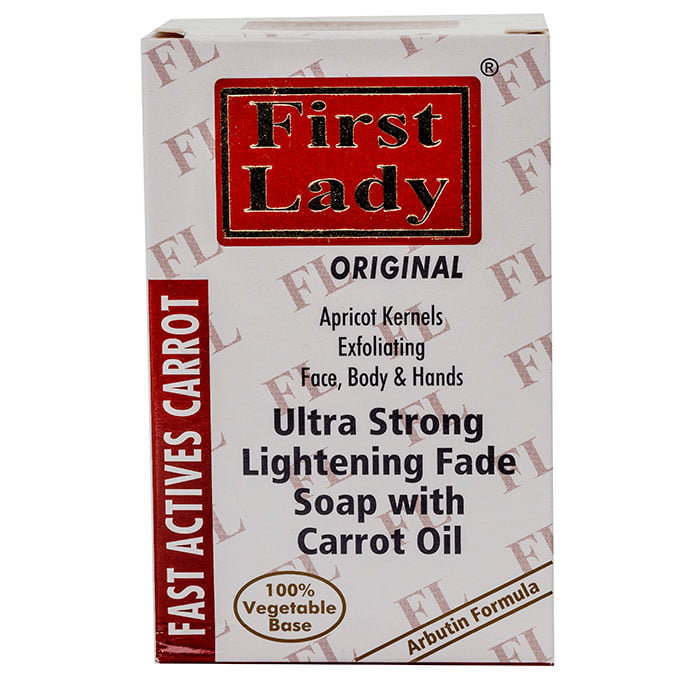
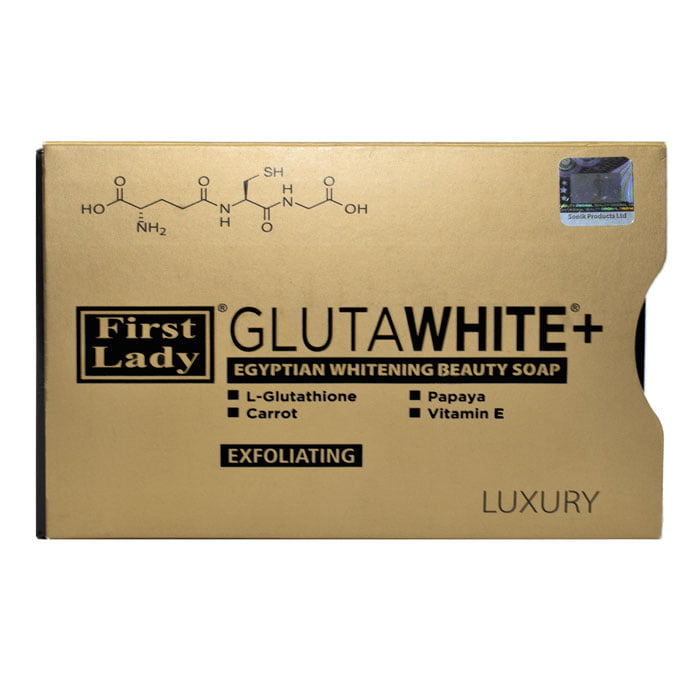
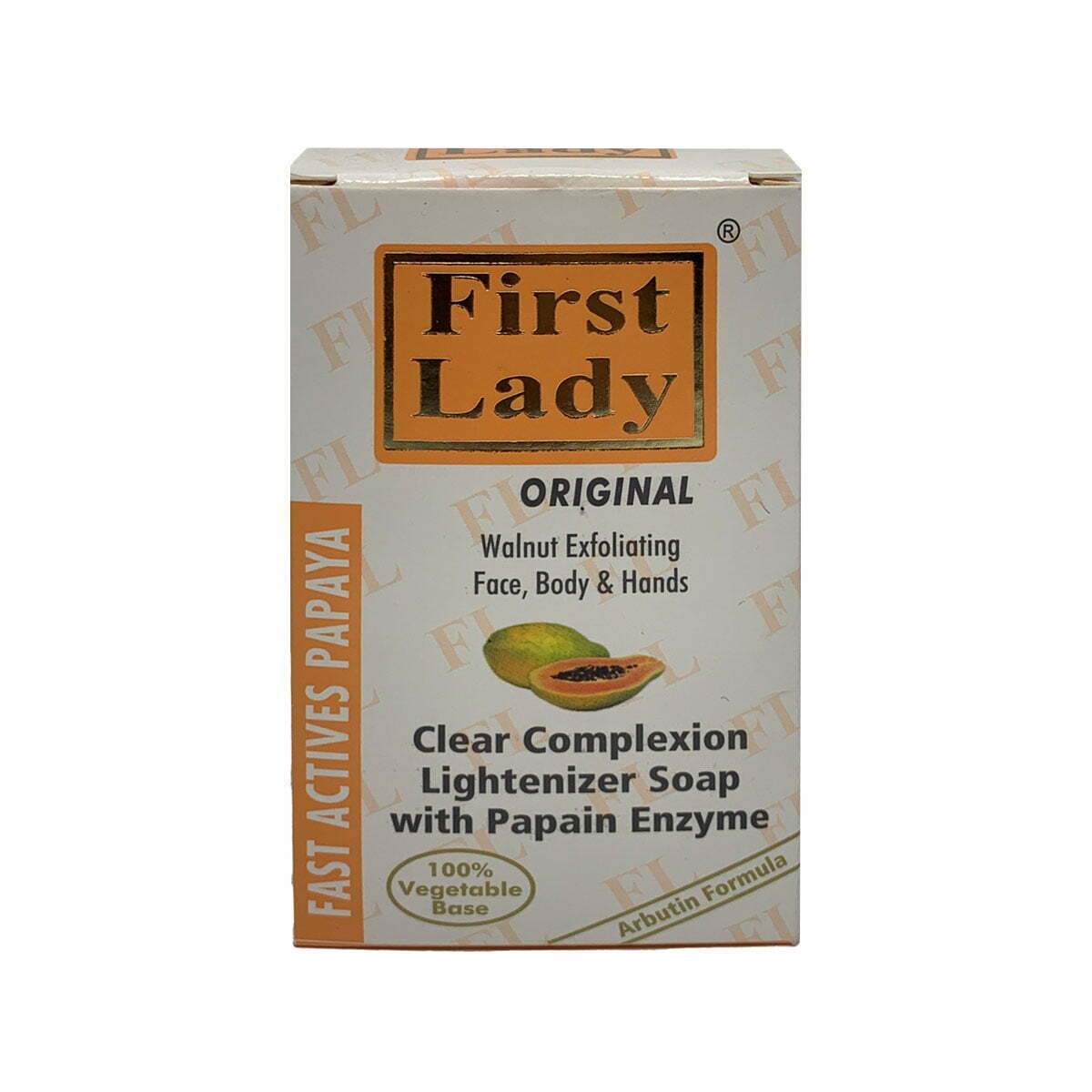
£2.49This First Lady Skin Brightening Exfoliating Lemon Soap contains Vitamin C, Walnut extracts, Arbutin and Lactic Acid, which effectively cleans, exfoliates and lightens skin pigmentation, liver spots and freckles whilst maintaining a lighter complexion.
Read our blog: The Surprising Benefits of Lemon Extract on Your Skin
How to Use First Lady’s lemon soap Effectively
Incorporating lemon soap into your routine is straightforward but requires consistency. Start by wetting your skin, then gently lather the soap, focusing on pigmented areas. Rinse thoroughly after 1-2 minutes to avoid irritation. Use twice daily; if dryness occurs, reduce to once daily.
For best results, follow with a moisturiser and broad-spectrum sunscreen (SPF 30+). Patch test on a small area first. From a sequential perspective: cleanse, treat with serum if needed, moisturise, and protect. This step-by-step approach maximises the lemon soap skin-brightening benefits.
Conclusion
Lemon soap, exemplified by the First Lady Fast Actives variant, harnesses Vitamin C, arbutin, lactic acid, walnut, and lemon extracts for effective dark spot fading and skin brightening. Backed by research, it offers a natural alternative to harsher treatments. By understanding its mechanisms and following best practices, you can achieve a brighter complexion safely.
Remember, results vary; consult a dermatologist for personalised advice. Embrace lemon soap skin brightening as part of a holistic routine for lasting radiance.
References
- Al-Niaimi F, Chiang NYZ. Topical Vitamin C and the Skin: Mechanisms of Action and Clinical Applications. J Clin Aesthet Dermatol. 2017;10(7):14-17.
- Correia G, et al. Efficacy of topical vitamin C in melasma and photoaging: A systematic review. J Cosmet Dermatol. 2023;22(7):1933-1942.
- Pullar JM, et al. The Roles of Vitamin C in Skin Health. Nutrients. 2017;9(8):866.
- Sanlibaba P, et al. The Role of Vitamin C on the Skin. Clin Cosmet Investig Dermatol. 2023;16:807-819.
- Telang PS. Vitamin C in dermatology. Indian Dermatol Online J. 2013;4(2):143-146.
- Boo YC. Arbutin as a Skin Depigmenting Agent with Antimelanogenic and Antioxidant Properties. Antioxidants (Basel). 2021;10(7):1129.
- Saeedi M, et al. A comprehensive review of the therapeutic potential of α-arbutin. Phytother Res. 2021;35(8):4136-4154.
- Sharquie KE, et al. Lactic acid as a new therapeutic peeling agent in melasma. Dermatol Surg. 2005;31(2):149-154.
- Smith WP. Epidermal and dermal effects of topical lactic acid. J Am Acad Dermatol. 1996;35(3 Pt 1):388-391.
- Jahanban-Esfahlan A, et al. A Comparative Review on the Extraction, Antioxidant Content and Antioxidant Potential of Different Parts of Walnut (Juglans regia L.) Fruit and Tree. Molecules. 2019;24(12):2133.
- Papoutsis I, et al. Fruit Bioactive Compounds: Effect on Lactic Acid Bacteria Survival and Antimicrobial Activity. Molecules. 2021;26(19):6005.
Reference Links
- NHS: Skin Rashes in Adults – General advice on managing common skin issues.
- British Association of Dermatologists: Patient Hub – Impartial information on skin conditions and treatments.
- Primary Care Dermatology Society: Guidelines – Resources for primary care skin management.