
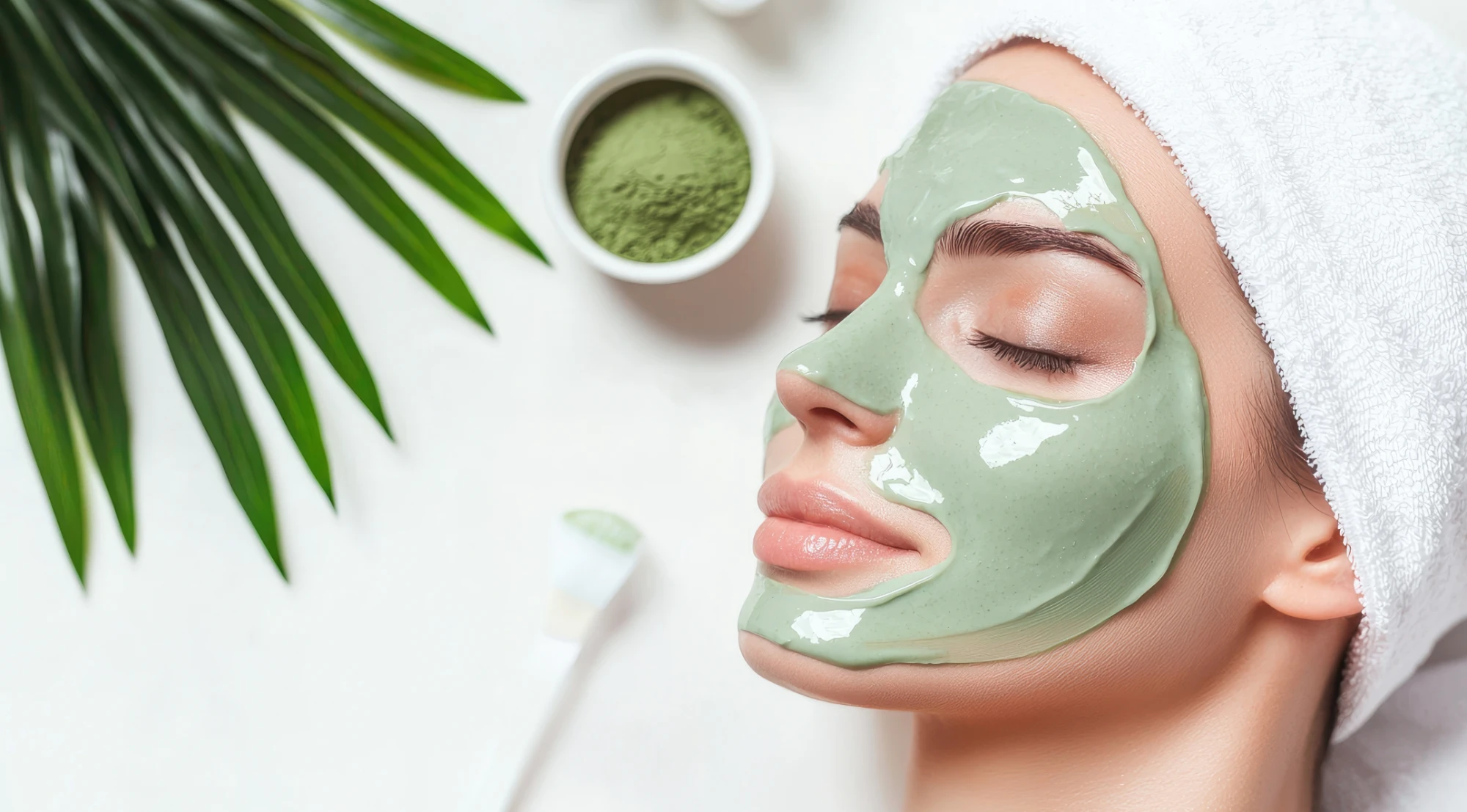
If you have oily or combination skin, you already know the daily battle: midday shine, clogged pores, the occasional breakout that shows up right before an important meeting. While skincare trends promise quick fixes, one ingredient combination has stood the test of time and clinical research: green tea and clay. Together, they form a genuinely effective treatment for excess oil, congestion and dullness, and unlike many trending ingredients, the evidence behind them is substantial.
Below, we walk through seven research-backed reasons to add a green tea clay mask to your weekly routine, along with the science behind why it works.
Why Oily Skin Needs a Different Approach
Before looking at the benefits, it helps to understand what’s actually happening beneath the surface. Oily skin is driven by overactive sebaceous glands, which produce excess sebum in response to hormones, genetics, humidity and even stress. As a result, pores become more prone to blockage, and the skin’s surface can appear shiny, thickened, or uneven in texture.
Standard moisturisers and cleansers can help manage this to a degree, but they rarely address the two core issues at play: excess surface oil and oxidative stress within the skin itself. This is precisely where a green tea clay mask earns its place, since it tackles both mechanisms at once rather than simply masking the symptoms.
1. Green Tea’s EGCG Reduces Sebum Production
Green tea’s benefits for oily skin come largely from a compound called epigallocatechin-3-gallate, or EGCG, one of the most studied polyphenols in dermatological research. A clinical study published in the British Journal of Dermatology found that topical application of 2% green tea extract significantly reduced sebum production in participants with oily skin over eight weeks (Elsaie et al., 2009). In other words, this isn’t a folk remedy dressed up in marketing language; it’s an ingredient with a genuine, measurable effect on the very process that causes oiliness in the first place.
2. Clay Draws Out Impurities Without Stripping the Skin
Clay masks work through a different but complementary mechanism. Kaolin and bentonite clays carry a natural negative charge that attracts positively charged impurities, including excess oil, dirt and environmental pollutants, drawing them away from the skin’s surface. Because this process is physical rather than chemical, it tends to be gentler than many exfoliating acids, which makes it a suitable option for those who find stronger actives irritating.
That said, not all clays behave the same way. Overly aggressive clay formulations can strip the skin of moisture along with impurities, which can paradoxically trigger even more oil production as the skin tries to compensate. This is why pairing clay with a hydrating, antioxidant-rich ingredient such as green tea matters. It lets the mask absorb excess oil while helping maintain the skin’s barrier function.
3. The Antioxidant Effect Calms Visible Redness and Irritation
Oily, acne-prone skin often comes with inflammation, whether that’s generalised redness or more localised irritation around blemishes. Green tea polyphenols have shown notable anti-inflammatory properties in multiple studies, partly by inhibiting pro-inflammatory pathways in skin cells (Katiyar, 2011, via the National Centre for Biotechnology Information). As a result, regular use of a green tea-infused mask may help calm visible redness, making the skin appear more even in tone immediately after use and over time.
4. It Helps Minimise the Appearance of Enlarged Pores
Enlarged, visible pores are one of the most common concerns among those with oily skin, and they’re often exacerbated by a buildup of oil, dead skin cells and debris that stretches the pore lining. By drawing out this buildup, clay masks can help pores appear smaller and less noticeable. Furthermore, because green tea has mild astringent qualities, its inclusion supports this tightening effect, leaving skin smoother and more refined after you rinse the mask away.
5. Green Tea Offers Meaningful Protection Against Environmental Damage
Beyond its direct effects on oil production, green tea is rich in catechins, a class of antioxidants known for neutralising free radicals generated by UV exposure and pollution. Research published in the Journal of Investigative Dermatology found that green tea polyphenols offered measurable photoprotective benefits when applied topically, reducing markers of UV-induced skin damage (Katiyar et al., 2000). For those living in urban environments, where pollution is a daily reality, this added layer of antioxidant defence is a genuine advantage, not just a nice-to-have.
6. It Supports a Balanced, Rather Than Stripped, Complexion
One of the most common mistakes people with oily skin make is over-treating it, using harsh cleansers, frequent exfoliation, and alcohol-heavy toners to control shine. Unfortunately, this often backfires, since stripping the skin barrier can trigger compensatory oil production and create a frustrating cycle. A well-formulated green tea clay mask, used once or twice weekly rather than daily, offers a more balanced approach. It removes excess oil and congestion without disrupting the skin’s natural barrier, which, according to NHS guidance on skin health, is essential for maintaining resilience and reducing sensitivity over time.
7. Consistent Use May Improve Overall Skin Texture and Clarity
Finally, the cumulative effect of regular use matters. Clinical evidence suggests that consistent application of antioxidant-rich topical treatments, including green tea extracts, can lead to visible improvements in skin texture and clarity over several weeks (Chiu et al., 2005, International Journal of Dermatology). This means a green tea clay mask isn’t simply a one-off treatment for an off day, but a routine addition that compounds in effectiveness the longer you use it consistently.
How to Use a Green Tea Clay Mask for Best Results
To get the most from this treatment, application matters as much as the formula itself. Generally speaking:
- Apply to clean, dry skin, avoiding the delicate eye area.
- Leave on for 10 to 15 minutes, or until the mask begins to firm slightly, rather than fully hardening.
- Rinse thoroughly with lukewarm water, then follow with a lightweight, non-comedogenic moisturiser.
- Use once or twice weekly, rather than daily, to avoid over-drying the skin.
Also, patch-test any new mask, especially if you have known sensitivities, since even gentle formulations can occasionally cause reactions in reactive skin types.
Who Should Consider a Green Tea Clay Mask?
While this mask is particularly well suited to oily and combination skin, it can also benefit those with occasional congestion or dullness, even if their skin type isn’t classically “oily.” That said, individuals with very dry or highly sensitive skin may want to limit use to once weekly, or patch test carefully before committing to regular application, since clay-based formulas can be more drying for these skin types if overused.
The Bottom Line
Ultimately, the combination of green tea and clay isn’t a passing trend; it’s a pairing supported by genuine dermatological research. Green tea addresses oil production and oxidative stress at a cellular level, while clay physically draws out the impurities that cause congestion and dullness. Together, they offer a balanced, evidence-based approach to managing oily skin without resorting to harsh, stripping treatments.
If shine, congestion, and enlarged pores are ongoing frustrations, adding a green tea clay mask to your weekly routine is a simple, well-supported place to start.
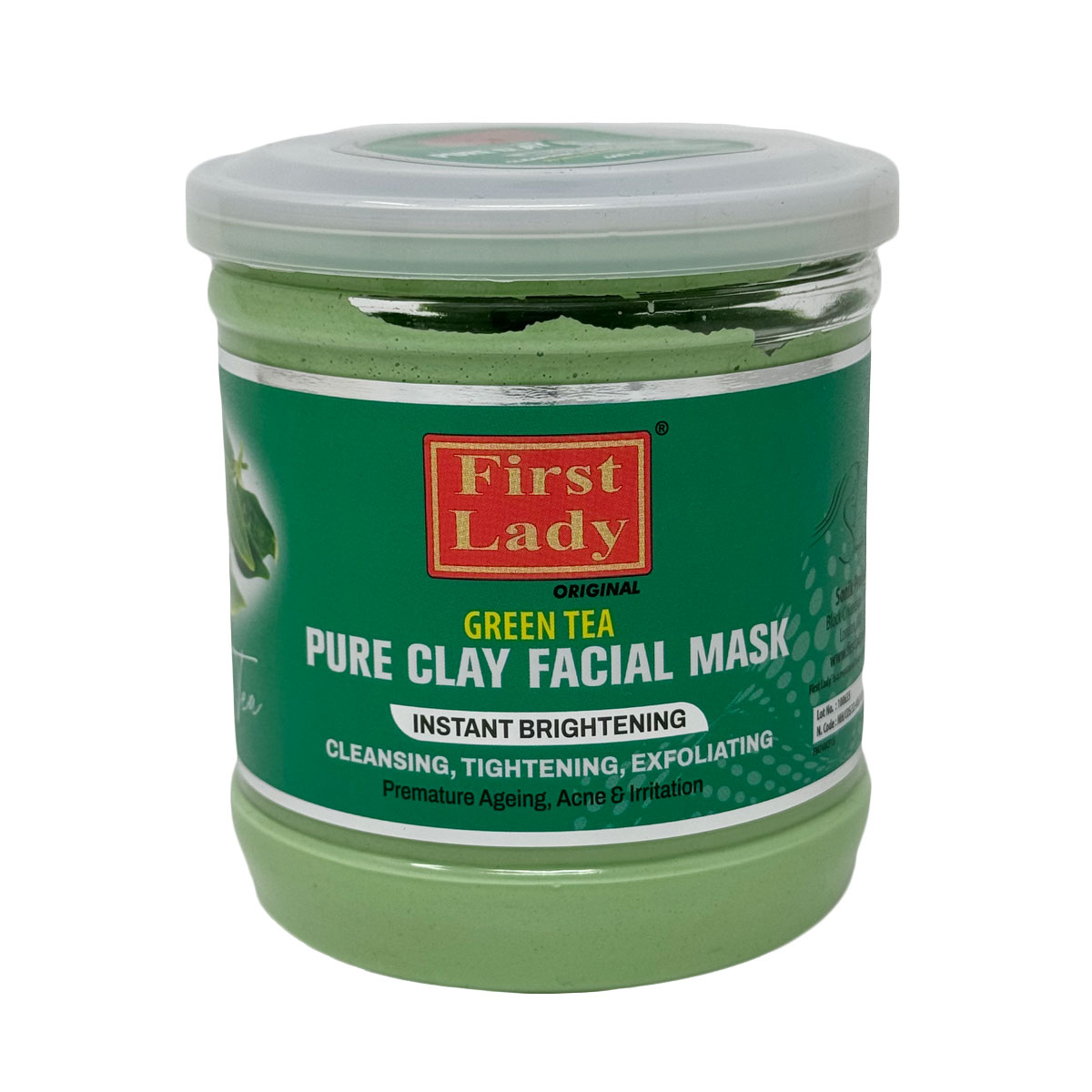
Ready to calm shine and refine your pores? Shop the Green Tea Pure Clay Face Mask at First Lady London →
Related reading: Do Green Tea Face Masks Work? Unveiling the Science and Benefits
References
- Elsaie, M. L., Abdelhamid, M. F., Elsaaiee, L. T., & Emam, H. M. (2009). The efficacy of topical 2% green tea lotion in mild-to-moderate acne vulgaris. British Journal of Dermatology.
- Katiyar, S. K. (2011). Green tea prevents non-melanoma skin cancer by enhancing DNA repair. National Centre for Biotechnology Information, National Library of Medicine.
- Katiyar, S. K., Ahmad, N., & Mukhtar, H. (2000). Green tea and skin. Journal of Investigative Dermatology.
- Chiu, A. E., Chan, J. L., Kern, D. G., Kohler, S., Rehmus, W. E., & Kimball, A. B. (2005). Double-blinded, placebo-controlled trial of green tea extracts in the clinical and histologic appearance of photoaging skin. International Journal of Dermatology.
- NHS. “Skin Care Tips.”
- British Skin Foundation. “Acne and Oily Skin.”
Leave a Reply