
Why Your Dark Spots Keep Returning Despite A Good Skin Care Regime
Discover the real reason dark spots keep returning despite your skincare routine. Backed by dermatology journals and clinical studies, learn how UV and visible light trigger recurrence, and why a superior broad-spectrum SPF is the non-negotiable solution for lasting, even-toned skin.
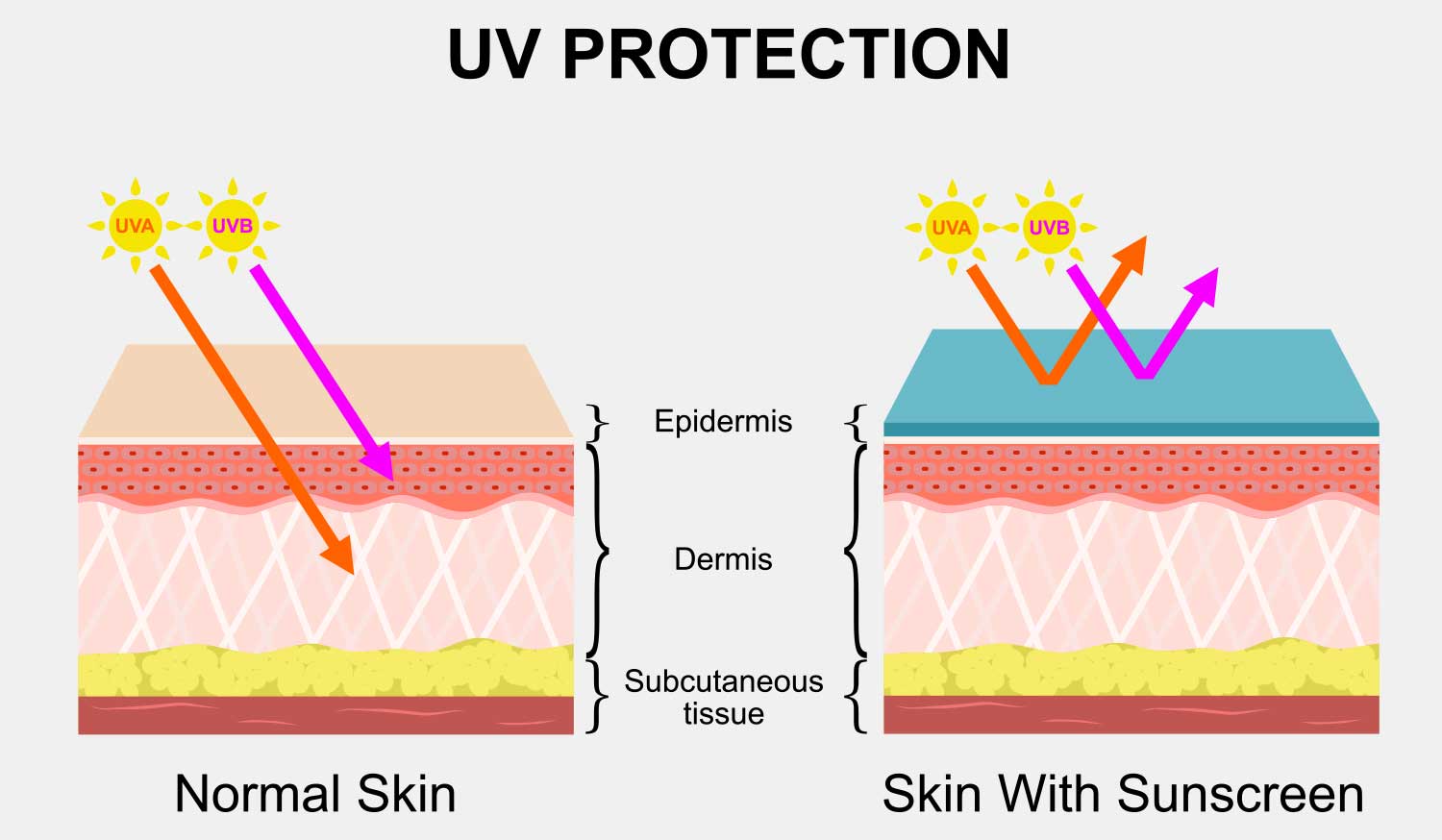
You use brightening serums, retinoids, and exfoliants. Your skin looks clearer for weeks, but dark spots come back, sometimes even darker. This isn’t a failure of your products or discipline, it’s a predictable biological response.
Dark spots come back mainly because most routines lack consistent, quality photoprotection. Without it, UV and high-energy visible light push melanocytes to make more melanin. Existing pigmentation deepens, and new spots form, ruining your progress.
This guide examines the science, reviews peer-reviewed evidence, and explains why using a better broad-spectrum SPF leads to lasting results. You’ll also find clear steps to break the cycle.
The Science of Recurring Hyperpigmentation
Hyperpigmentation whether post-inflammatory (PIH) from acne or eczema, melasma, or solar lentigines arises when melanocytes produce excess melanin or when melanin transfers abnormally to surrounding skin cells.
Inflammation or injury releases cytokines, prostaglandins, and reactive oxygen species. These upregulate tyrosinase, the enzyme that drives melanin synthesis. UV radiation amplifies this process dramatically. Even low daily exposure activates p53 pathways in keratinocytes, signalling melanocytes to increase pigment production as a protective response.
Consequently, any brightening treatment that reduces existing melanin is undermined the moment unprotected skin is exposed to sunlight. Studies confirm that epidermal PIH often improves within 6–12 months with intervention, yet dermal PIH persists or recurs without photoprotection. Darker skin tones (Fitzpatrick IV–VI) face heightened risk: up to 65% of individuals with acne in these phototypes develop PIH, and recurrence rates climb sharply without daily defence.
Visible light from screens, windows, and indoor lighting goes deeper than UVB and triggers melanogenesis via opsin-3 receptors in melanocytes, especially in melanin-rich skin. This explains why symptoms worsen despite “indoor” lifestyles.
Why Skincare Alone Cannot Prevent Recurrence
Your vitamin C serum or kojic acid cream targets tyrosinase or accelerates cell turnover. These are powerful tools. However, they address symptoms rather than the ongoing environmental trigger.
In contrast, UV and HEVL exposure create a continuous stimulus. A 2020 review in the Indian Journal of Dermatology concluded that sunscreen with UV + visible light protection serves as an essential adjuvant therapy. Without it, even the most effective topicals yield only temporary improvement. In one analysis, patients used sunscreen just 35% of the time, with only 10% choosing SPF 50+. Those who skipped protection saw rapid exacerbation.
Moreover, many over the counter brighteners can cause mild irritation, which in turn can trigger PIH in susceptible skin another reason recurrence accelerates without a protective barrier.
Clinical Evidence from Journals and Medical Literature. Dermatology research makes photoprotection foundational.al.
- A comprehensive 2010 review in the Journal of Clinical and Aesthetic Dermatology (Davis et al.) detailed how inflammatory mediators drive excess melanin in PIH and stressed that “recurrences are common, particularly without adequate photoprotection.” Broad-spectrum sunscreen was listed as non-negotiable alongside topical agents.
- The 2024 StatPearls entry on Postinflammatory Hyperpigmentation reinforces: “Sun exposure can intensify pigmentation… Sunscreen is essential… daily broad-spectrum sunscreen use should be a foundational part of treatment.”
- Fatima et al. (2020) reviewed 9 publications and found that broad-spectrum sunscreens (including visible-light protection) stabilise and improve both melasma and PIH in skin-of-colour patients. They noted that mineral filters combined with iron oxides outperform standard formulations.
- Additional support appears in the British Journal of Dermatology and the Primary Care Dermatology Society guidelines, which recommend SPF 30+ (ideally 50+) with a 4–5-star UVA rating year-round for pigmentation-prone skin. These results reflect reality: patients who use rigorous photoprotection keep clear skin more consistently than those using actives alone.ne.
-
 -20% Off
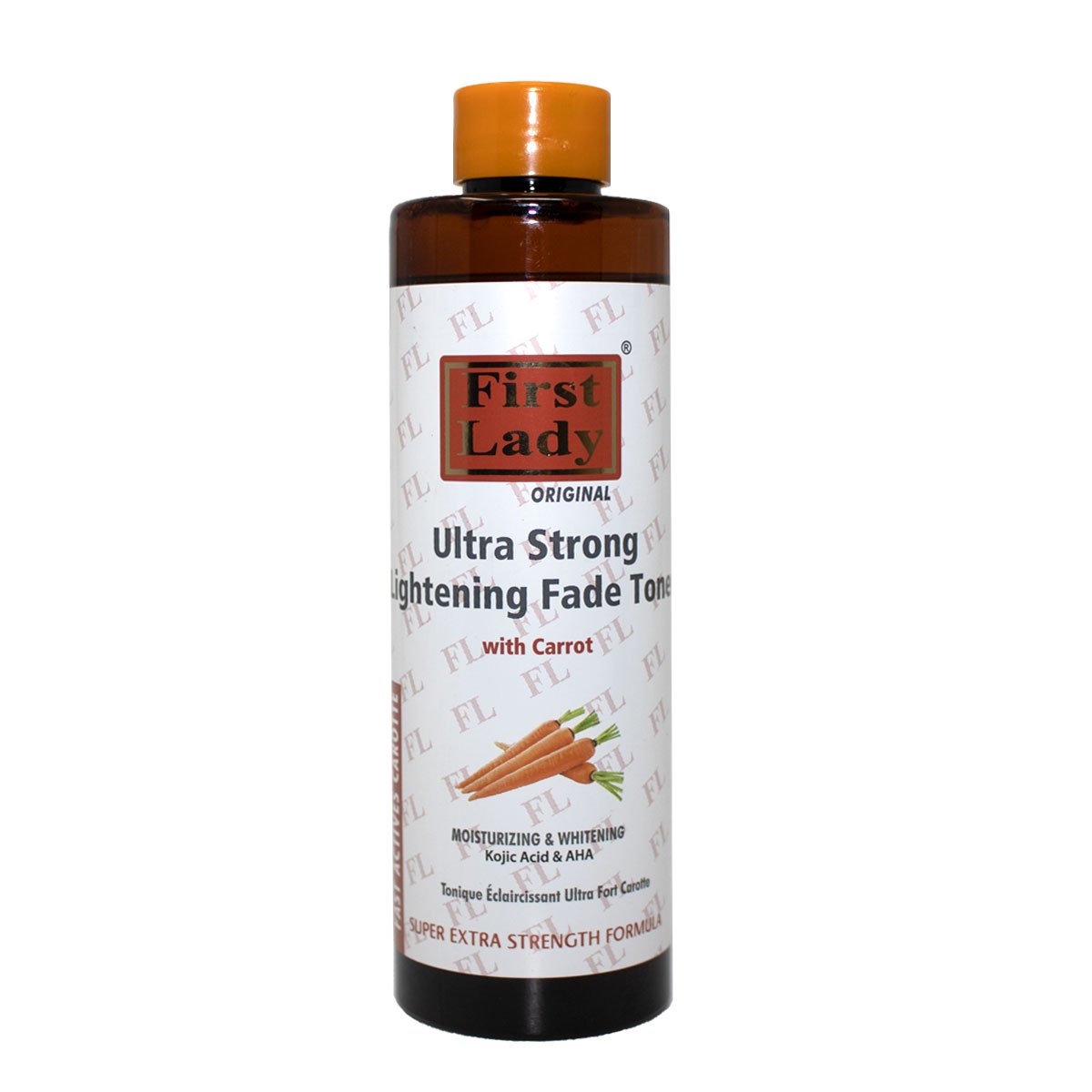
£4.99Original price was: £4.99.£3.99Current price is: £3.99.The First Lady Fast Actives Ultra Strong Lightening Face Cleansing Fade Toner With Carrot is a gentle formula that effectively balances the skin, preparing it for daily beauty routines. It wipes away excess oil and dirt away from the face and neck area while promoting clear even brighter skin.
- Kojic acid for lightening dark spots
- Lactic acid for gentle exfoliating
- Carrot extract for brightening and nourishing
Step-by-Step: Building a Routine That Ends the Cycle
- Morning cleanse gently to avoid irritation.
- Apply treatment serums (retinoid or brightener) and wait 5–10 minutes.
- Follow with moisturiser if needed.
- Apply two finger-lengths (approximately 1.25 ml or ¼ teaspoon for face/neck) of ☀️ Daily Defence SPF 50+ for full protection.
- Reapply every two hours outdoors or after sweating/towelling. Indoors, reapply once midday if near windows.
- Evening: Repair-focused routine without SPF.
- Weekly: Gentle exfoliation only if tolerated; always follow with SPF the next day. Also, wear a wide-brimmed hat and seek shade from 10 am to 4 pm.
Common Myths Debunked
Myth: “My skin is dark, so I don’t need SPF.”
Reality: Darker skin produces more melanin but remains highly susceptible to PIH. UV simply makes existing pigment darker and more uneven. Guidelines from the British Association of Dermatologists confirm that protection remains essential for pigmentation concerns regardless of tone.
Myth: “One application lasts all day.”
Reality: Real-world studies show efficacy drops significantly after two hours outdoors. Reapplication is non-negotiable.
Myth: “Indoor light doesn’t matter.”
Reality: HEVL from devices and windows contributes measurably to melanogenesis in susceptible individuals.
Break the Cycle, Permanent Dark spots return because unprotected light exposure isn’t addressed. By understanding the mechanism and choosing proven photoprotection, you switch from reacting to preventing.
Using Daily Defence SPF 50+ and matching brightening products deliver this: complete, elegant defence so your other actives can work without sabotage.
Ready to stop chasing fading spots and start maintaining clear skin? Explore our complete recommended pigmentation defence system today and experience the difference.
First Lady recommends:
ROXANNA INVISIBLE SUNSCREEN SPRAY SPF50+ – LIGHTWEIGHT NON-GREASY SUN PROTECTION FOR FACE & BODY (150ML)

https://www.elyseestar.com/products/roxanna-sun-protection-invisible-spray-spf50?_pos=17&_sid=637b3ded7&_ss=r
References
- Davis EC, Callender VD. Postinflammatory hyperpigmentation: a review of the epidemiology, clinical features, and treatment options in skin of colour. J Clin Aesthet Dermatol. 2010;3(7):20-31.
- Fatima S, et al. The Role of Sunscreen in Melasma and Postinflammatory Hyperpigmentation. Indian J Dermatol. 2020;65(5):395-402. PMC6986132.
- Lawrence E, et al. Postinflammatory Hyperpigmentation. StatPearls [Internet]. Treasure Island (FL): StatPearls Publishing; 2024. NCBI Bookshelf NBK559150.
- British Association of Dermatologists. Sun Protection Fact Sheet & Melasma Patient Information Leaflet. skinhealthinfo.org.uk.
- Primary Care Dermatology Society (PCDS). Melasma Patient Information Leaflet. pcds.org.uk.
- Additional supporting data from the British Journal of Dermatology and the NHS sun safety guidance.
- British Association of Dermatologists Patient Hub
- NHS Sunscreen and Sun Safety
- Primary Care Dermatology Society – Melasma