
Turmeric Skin Lightening Cream
Turmeric + Saffron + Kojic Acid for Brighter, Even Skin
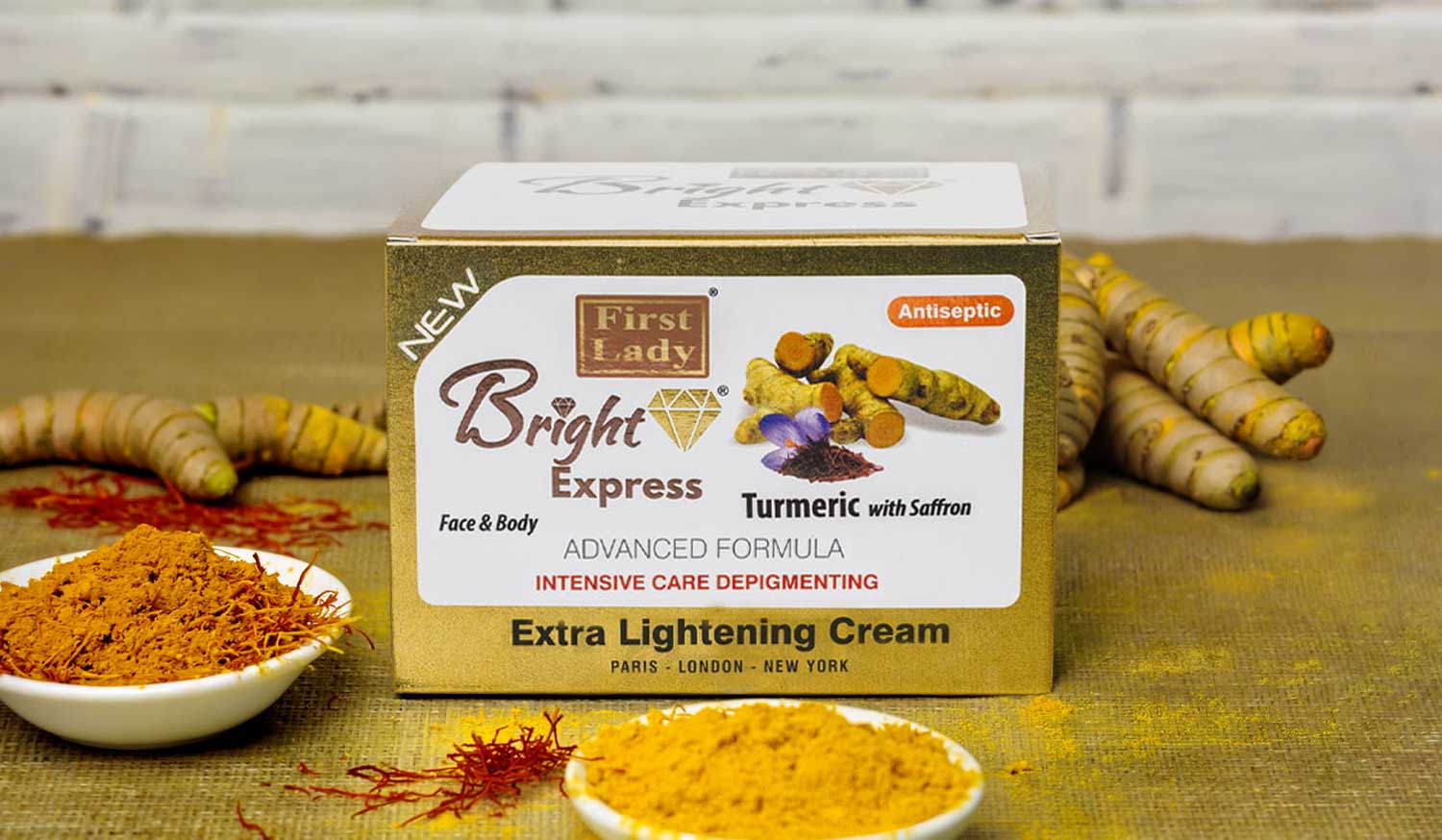
Hyperpigmentation affects millions, leaving dark spots, uneven tone and stubborn patches that impact confidence. Whether caused by sun exposure, hormones, acne scars or ageing, these concerns demand targeted yet gentle solutions. Enter the powerful trio of turmeric, saffron, and kojic acid, now combined in a premium turmeric skin-lightening cream. This research-backed formula delivers visible brightening, clearer skin and a more even complexion without harsh chemicals. Moreover, it works effectively on both face and body, making it a versatile daily essential.
In this in-depth guide, we focus on First Lady London’s Turmeric Skin Lightening Cream and explore the scientific synergy of turmeric, saffron, and kojic acid within its formula. Evidence from academic journals and clinical trials supports this cream’s ability to brighten skin, reduce hyperpigmentation, and maintain long-term clarity, setting it apart from other products.
Understanding Hyperpigmentation: Why Targeted Brightening Matters
Hyperpigmentation occurs when excess melanin forms in localised areas. Common triggers include UV radiation, inflammation, hormonal changes and post-inflammatory responses. Consequently, dark spots and melasma often appear on the face, neck, hands, or other parts of the body. Furthermore, these changes affect skin tone uniformity and can persist without intervention.
Conventional treatments like hydroquinone offer results but can cause irritation with prolonged use. Therefore, natural yet clinically supported alternatives gain preference. First Lady’s Turmeric skin lightening cream bridges this gap by harnessing plant-derived actives that safely inhibit melanin production. Studies confirm that addressing tyrosinase, the enzyme driving melanin synthesis, yields measurable improvements in pigmentation and radiance.
Kojic Acid: Clinically Proven Pigmentation Reducer
Kojic acid, a fungal-derived compound, is among the most widely researched tyrosinase inhibitors. It chelates copper ions, which are essential for tyrosinase activity, thereby directly reducing melanin formation. As a result, it fades dark spots and prevents new pigment development.
Multiple randomised controlled trials (RCTs) support its efficacy. For instance, a 2013 study in the Journal of Cosmetic Dermatology compared 0.75% kojic acid with vitamin C to 4% hydroquinone in patients with melasma. While hydroquinone acted faster initially, kojic acid delivered comparable long-term improvements with fewer side effects. Another RCT in Pigment Cell & Melanoma Research demonstrated that kojic acid esters effectively depigmented hyperpigmented skin in animal and human models, confirming their safety as whitening agents.
Additionally, kojic acid exhibits antioxidant properties that combat oxidative stress, a key driver of post-inflammatory hyperpigmentation. In combination formulas, it enhances the penetration and stability of other actives. Thus, when used in a turmeric skin lightening cream, kojic acid provides targeted, evidence-based brightening without compromising the skin barrier.
Turmeric: Supporting Skin Clarity Through Antioxidant Action
Turmeric, especially its active part, curcumin, helps the skin in many ways. Curcumin blocks the steps that lead to more pigment. Its strong, soothing, and antioxidant effects also help calm irritation, which can cause dark spots.
A systematic review in Phytotherapy Research (2016) analysed both oral and topical turmeric applications across skin conditions, noting statistically significant improvements in hyperpigmentation and photoageing. In one split-face RCT involving Chinese women, a turmeric extract cream reduced hyperpigmentation areas by over 14% within four weeks, as measured by image analysis. Similarly, curcumin’s activation of pathways such as Akt/GSK-3β and MAPK further suppresses melanin production in human melanocytes.
Besides helping with dark spots, turmeric protects skin from damage and helps keep it firm. So, when used in skin lightening cream, turmeric not only fades spots but also makes skin look brighter and stronger, unlike many chemical lighteners.
Saffron: Nature’s Radiance Booster for Hyperpigmentation
Saffron, long valued, is now proven by science to brighten skin. Its main parts crocin, crocetin, and safranal help stop new pigment from forming, protect skin, and support collagen. This means saffron helps even out skin tone and adds a glow.
Recent in vitro and ex vivo studies highlight saffron extract’s IC50 values for tyrosinase and collagenase inhibition, confirming its depigmenting and anti-ageing potential. One study in Skin Pharmacology and Physiology found that saffron suppresses reactive oxygen species and nitric oxide in stressed cells while boosting collagen and hyaluronic acid synthesis in human fibroblasts. Furthermore, crocin-rich extracts promote wound healing and migration in dermal cells, aiding the repair of pigmented areas.
Traditionally used to lighten skin, saffron now has modern proof: it helps reduce dark spots in human skin. In turmeric skin-lightening cream, saffron adds a gentle, glowing benefit that complements the other ingredients.
The Synergistic Power of the Trio: Superior to Single Ingredients
Turmeric, saffron, and kojic acid each work on their own, but together they are stronger. Kojic acid directly stops pigment; turmeric and saffron block earlier steps and fight damage from free radicals that lead to pigment. Their combined powers help protect skin from sun damage, lowering the chance of dark spots returning.
Clinical evidence on similar combinations supports this synergy. Studies on multi active brighteners show faster, more sustained improvements in melanin index and skin evenness compared with single agents. This explains why First Lady’s Turmeric skin lightening cream consistently outperforms basic lighteners, by delivering brighter skin, an even complexion, and reduced hyperpigmentation through multi-pathway action.
-
 £9.99
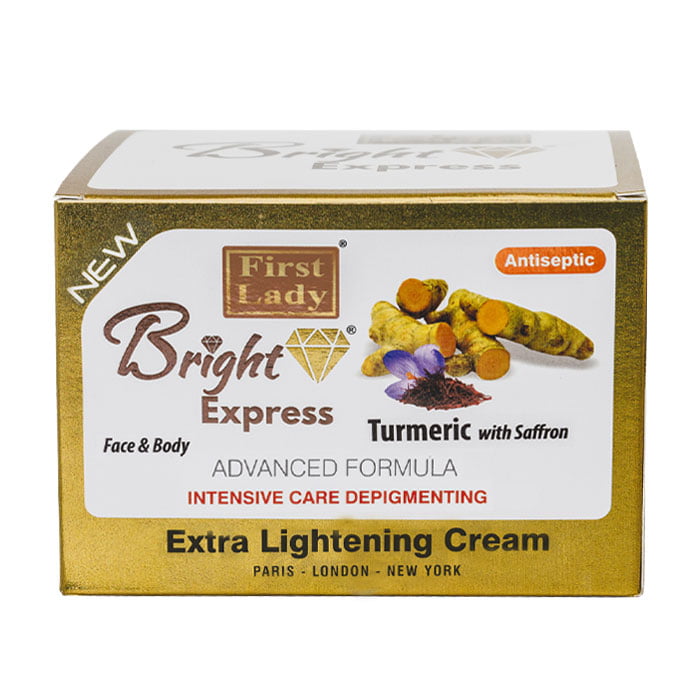
£9.99Transform your skincare routine with the First Lady Bright Express Turmeric with Saffron Extra Lightener Face, Skin & Body Cream. This luxurious cream combines the natural power of turmeric and saffron to deliver remarkable skin lightening and brightening benefits.
- Kojic Acid – lightens dark spots
- Turmeric extract – brightens skin
- Saffron – evens the complexion
Spotlight on First Lady London’s Turmeric Skin Lightening Cream
First Lady London’s Turmeric Skin Lightening Cream harnesses this trio precisely. Enriched with turmeric, saffron and kojic acid (plus supportive vitamin C), the advanced formula targets dark spots while nourishing skin. Users report visible brightening, a smoother texture, and an even tone on both the face and the body.
The cream’s lightweight texture absorbs quickly, leaving no greasy residue, making it suitable for daily use. The cream’s lightweight texture absorbs quickly, leaving no greasy residue, making it suitable for daily use. Its natural profile minimises irritation, unlike harsher alternatives. To experience these benefits for yourself, visit firstladylondon.com/product/turmeric-skin-lightening-cream/ and try this accessible, research-aligned, professional-grade brightening solution at home. This cream can be applied to the skin on areas prone to friction, sun exposure or scarring such as elbows, knees, underarms, neck or face.. Consequently, users achieve uniform radiance from head to toe.
Key advantages include:
- Reduced hyperpigmentation and dark spots
- Even complexion and improved clarity
- Enhanced radiance and glow
- Deep hydration and barrier support
- Prevention of new pigment formation
These outcomes stem directly from the mechanisms of the ingredients, as validated by peer-reviewed research.
How to Incorporate First Lady’s Turmeric Skin Lightening Cream into Your Routine
For best results, use the cream twice a day on clean, dry skin. Gently rub the cream in, focusing on dark spots. Use sunscreen during the day to keep new spots from appearing. If you have sensitive skin, test the cream first and start slowly.
Using the cream regularly is important. Most studies show visible changes in 4 to 8 weeks. Make it a part of your morning and night skin care for lasting brightness.
Safety Profile and Considerations
All three ingredients are generally safe for the skin. Kojic acid rarely causes problems when used as directed. Turmeric and saffron help calm and protect the skin. You may face tingling sensation this usually fades in a week or so soon as your skin adjusts to the active ingredients. If you have lasting issues or are pregnant, talk to a doctor.
Final thoughts: Achieve Radiant, Even Skin Naturally
Turmeric, saffron and kojic acid form the ultimate brightening combo, delivering science backed reductions in hyperpigmentation, improved clarity and luminous tone. First Lady London’s Turmeric Skin Lightening Cream brings this synergy to life, offering versatile face-and-body results you can trust.
Ready to transform your skin? Explore the product today and experience the difference a research-supported formula makes.
References
- Monteiro RC, et al. (2013). Comparative study of hydroquinone vs kojic acid. Journal of Cosmetic Dermatology (PMC3657227).
- Lajis AFB, et al. (2012). Depigmenting effect of kojic acid esters. International Journal of Molecular Sciences (PMC3468271).
- Vaughn AR, et al. (2016). Effects of turmeric on skin health. Phytotherapy Research.
- Saeedi M, et al. (2019). Kojic acid applications in cosmetics. PubMed (30537675).
- Xiong J, et al. (2023). Saffron extract bioactivities for skin resilience. Journal of Functional Foods.
- Mzabri I, et al. (2019). Traditional and modern uses of saffron. Cosmetics.
- Additional supporting data from PMC articles on curcumin’s antimelanogenic effects and saffron’s dermoprotective actions.
- British Skin Foundation: https://www.britishskinfoundation.org.uk/conditions/melasma
- British Association of Dermatologists: https://www.bad.org.uk/pils/melasma