Placenta Protein Explained: Conditioning Damaged Hair, Improving Fibre Feel and Supporting Stronger-Looking Hair

Discover how placenta protein in First Lady’s Jamaican Black Castor Oil & Panthenol Hair Placenta helps condition damaged hair, improve the feel of the hair fibre and support stronger-looking results for weak, brittle and colour-treated strands.

Damaged, weak or over-processed hair often feels rough, snaps easily and lacks the resilience many of us want. Chemical treatments, colouring, heat styling and environmental stress strip proteins and lipids from the hair fibre, leaving it porous, brittle and prone to breakage. In this context, placenta protein hair care formulations have attracted attention for their ability to deliver amino acids, peptides and supportive factors that help restore structure and manageability.

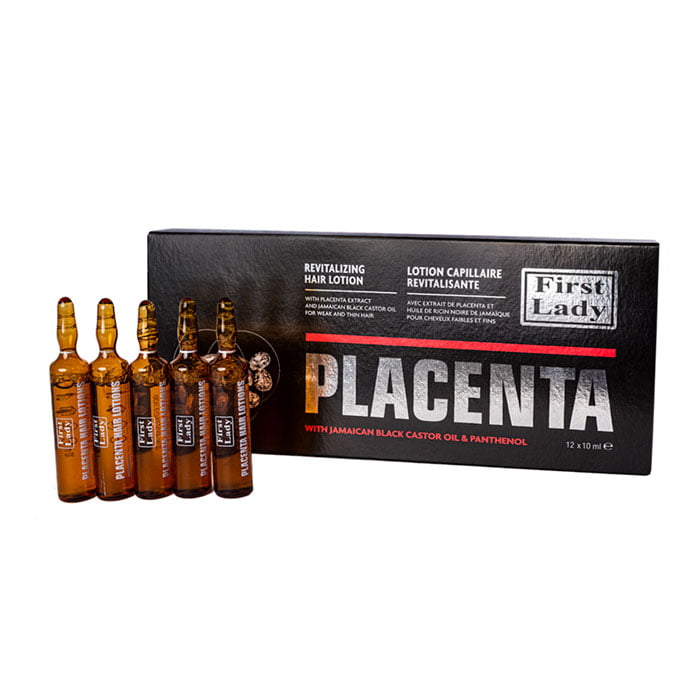
First Lady Jamaican Black Castor Oil & Panthenol Hair Placenta is a lightweight leave-in treatment designed precisely for these concerns. Enriched with placenta protein, Jamaican black castor oil, panthenol, stinging nettle leaf extract and capsicum fruit extract, it targets weak, thinning, dry, brittle, damaged, over-processed and colour treated hair. The formula strengthens fragile strands, reduces breakage and hair fall, deeply moisturises, supports healthier-looking growth and adds softness, shine and manageability without the need to rinse.

This research backed exploration examines how placenta protein contributes to conditioning damaged hair, improving the tactile feel of the hair fibre and supporting a stronger appearance, while highlighting the complementary roles of the other key actives in this product.

Understanding Placenta Protein in Hair Care

Placenta protein, typically supplied as a hydrolysate or low-molecular-weight peptide fraction, provides a concentrated source of amino acids and bioactive peptides. These components can interact with the keratin structure of the hair shaft. Low-molecular-weight fractions are particularly useful because they can penetrate the cuticle and reach the cortex, where they help reinforce internal protein networks that have been compromised by chemical processing or mechanical stress.

Scientific literature indicates that placental extracts and proteins can support hair follicle activity and fibre quality. A systematic review of clinical evidence published in Applied Sciences (MDPI) examined placental extracts, proteins and hydrolysed proteins in cosmetic preparations for hair loss. Although the number of high-quality trials remains limited, available data suggest potential benefits in inhibiting hair loss and stimulating growth. One randomised controlled trial found a placenta hair tonic comparable to 2% minoxidil in women with androgenetic alopecia, while other controlled work showed accelerated regrowth of shaved hair with porcine placenta extract.

More recent investigations into low-molecular-weight porcine placenta peptides have demonstrated enhanced proliferation of human dermal papilla cells, upregulation of growth promoting markers and downregulation of inhibitory cytokines, leading to improvements in scalp elasticity, hair diameter, tensile strength, reduced surface roughness (measured by scanning electron microscopy) and increased lustre after 24 weeks of oral supplementation.

While the First Lady product is a topical leave-in formula described as plant-based and containing placenta protein, the broader scientific context illustrates why protein hydrolysates of this type are valued: they supply building blocks that help repair and protect the hair fibre, particularly when it has lost structural integrity.

Conditioning Damaged Hair: Restoring Moisture and Integrity

Damaged hair is typically high in porosity. The raised or missing cuticle scales allow excessive water loss and make the fibre susceptible to further mechanical damage. Effective conditioning therefore requires both surface smoothing and internal reinforcement.

Jamaican black castor oil, produced by roasting castor beans before pressing, is rich in ricinoleic acid (approximately 90% of its fatty-acid profile) together with other lipids and antioxidants. This composition allows the oil to act as both emollient and humectant. It coats the hair shaft, reduces friction and helps limit further cuticle disruption while delivering moisture. Research reviews note that castor oil can improve hair lustre and may influence prostaglandin pathways relevant to scalp health, although large-scale clinical trials specifically on hair growth remain limited. Its primary documented cosmetic benefit lies in moisturising and reducing dryness-related breakage.

Panthenol (provitamin B5) complements this action. Upon application, it penetrates the hair shaft and is converted to pantothenic acid. Advanced spectroscopic studies published in the International Journal of Cosmetic Science (2026) have confirmed that panthenol reaches cortical protein regions. Nuclear magnetic resonance evidence shows direct interaction between the N–H group of panthenol and aromatic side chains of hair proteins, consistent with hydrogen-bond formation. Consequently, panthenol-treated hair exhibits higher break stress and elastic modulus than untreated controls, delivering measurable tensile-strength benefits.

Together with placenta protein, these ingredients address both the lipid and protein deficits of damaged hair. The leave-in format of First Lady Jamaican Black Castor Oil & Panthenol Hair Placenta ensures continuous contact, allowing the actives to remain on the fibre rather than being rinsed away. Users therefore experience progressive improvement in moisture retention and reduced brittleness with regular application.

Featured Product

Improving the Feel of the Hair Fibre

The tactile quality of hair, its softness, smoothness and slip, depends largely on the condition of the cuticle and the internal plasticisation of the cortex. When the cuticle is intact and well lubricated, light reflects evenly (producing shine) and fingers or combs glide more easily (improving manageability).

Placenta protein contributes by forming a light protective film or by depositing peptides that fill microscopic gaps in the damaged cuticle. This reduces surface roughness, an effect observed in scanning-electron-microscopy analyses of placenta-peptide treatments. Panthenol further enhances the sensory profile by increasing the hair’s ability to hold water, which softens the fibre and improves elasticity. The result is hair that feels less coarse, less tangled and more pliable.

Jamaican black castor oil adds a lubricating lipid layer that further reduces inter-fibre friction. Clinical and instrumental assessments of similar oil treatments consistently report improved combability and a softer hand-feel, particularly on textured, relaxed or colour-treated hair that has lost its natural lipid barrier. Consequently, the combination in this leave-in treatment delivers both immediate sensory improvement and cumulative refinement of fibre surface quality.

Supporting Stronger-Looking Hair

Stronger-looking hair is the visible outcome of reduced breakage, improved diameter retention and better overall fibre integrity. When fewer strands snap during brushing, styling or everyday movement, the hair appears fuller and more resilient.

Placenta protein supports this by reinforcing keratin structures and improving tensile properties. Panthenol’s documented ability to form hydrogen bonds within the cortex further elevates break strength. In multi-ingredient clinical work, formulations containing panthenol have been associated with increased hair count and reduced shedding symptoms over 24 weeks. Capsicum fruit extract, another component of the First Lady formula, interacts with TRPV1 receptors and can stimulate local blood flow and IGF-I production in follicles, mechanisms linked in animal and limited human studies to improved follicle activity and hair-shaft elongation. Stinging nettle leaf extract supplies silica, polyphenols and other micronutrients that contribute to fibre integrity and may help maintain a balanced scalp environment.

Collectively, these actives create conditions that favour stronger-looking strands. The product is therefore suitable for weak or thinning hair, dry and brittle hair, damaged and over-processed hair, colour-treated hair and anyone seeking healthier-looking results. Because it is a leave-in treatment that requires no rinsing, the benefits accumulate with consistent daily or regular use.

Key Benefits of First Lady Jamaican Black Castor Oil & Panthenol Hair Placenta

  • Strengthens weak and fragile hair
  • Helps reduce breakage and hair fall
  • Deeply moisturises dry and damaged hair
  • Supports healthier-looking hair growth
  • Adds softness, shine and manageability
  • Ideal for natural, relaxed, coloured and chemically treated hair
  • Easy leave-in formula, no rinsing required

These claims align with the mechanistic roles of the individual ingredients outlined above. The lightweight texture avoids the heaviness sometimes associated with pure oils, making the product practical for everyday use across a range of hair types and textures.

How to Incorporate the Treatment into a Routine

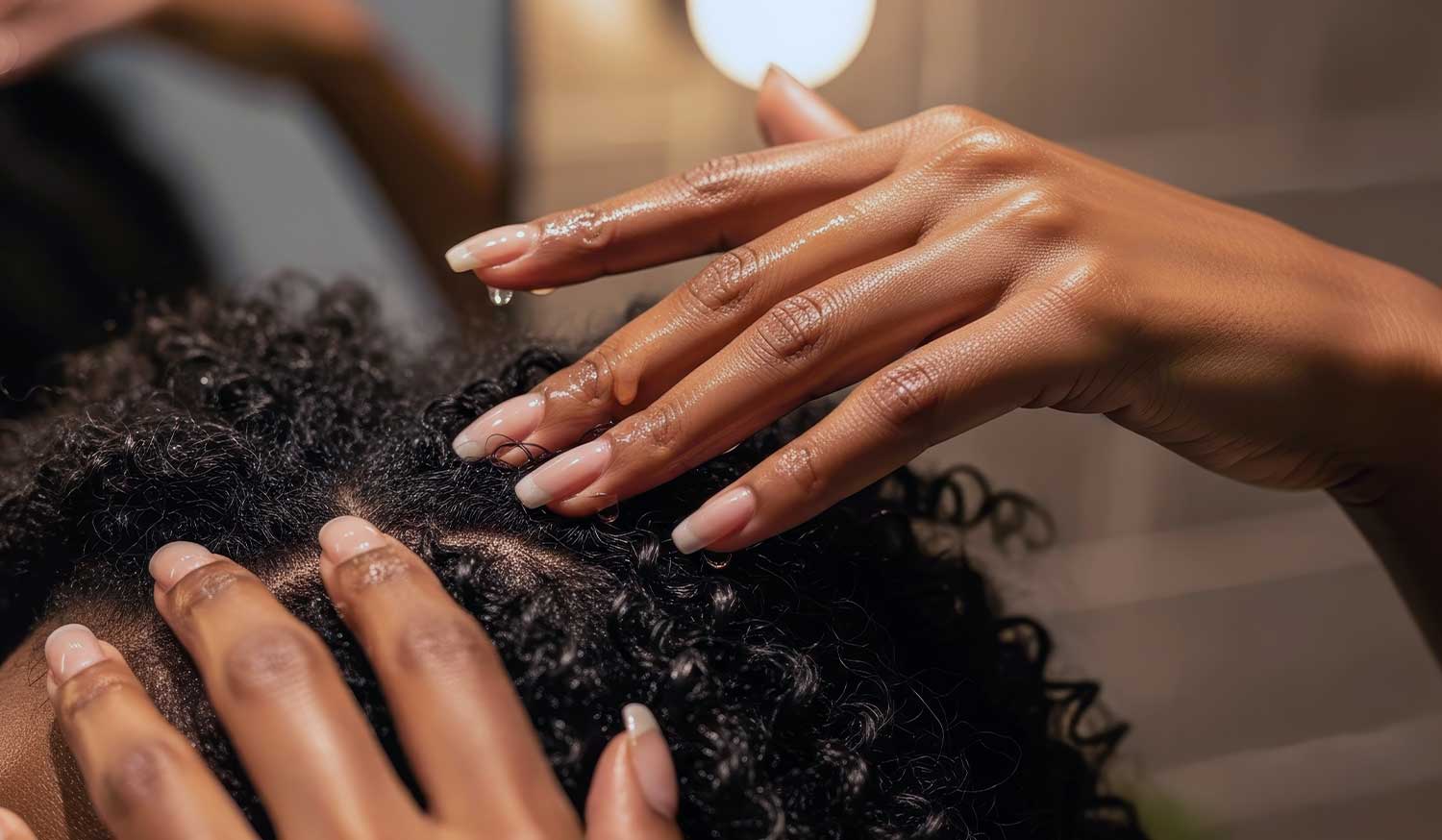
Apply the lotion directly to a clean scalp and hair. Massage gently and distribute evenly from roots to ends. Do not rinse. Use regularly for best results. Because the formula is leave-in, it can be applied after washing or as a daily refresher on dry hair. Consistency is more important than volume; a modest amount massaged thoroughly is sufficient.

Why Research-Backed Formulations Matter

Cosmetic claims are most credible when grounded in known mechanisms and available clinical or instrumental data. Placenta protein hydrolysates, panthenol and castor-oil lipids each have documented interactions with hair structure or scalp physiology. While further large-scale, independently controlled trials on specific finished products are always welcome, the existing body of work from journals such as Applied Sciences, Food Science and Biotechnology, the International Journal of Cosmetic Science and dermatological reviews provides a rational foundation for the observed benefits of placenta protein hair care.

For individuals dealing with the consequences of chemical processing, heat damage or natural fragility, a targeted leave-in treatment that simultaneously addresses protein loss, moisture deficit and surface friction offers a practical, science-informed step toward softer, more resilient and stronger-looking hair.

References

  • Placental Extracts, Proteins, and Hydrolysed Proteins as Active Ingredients in Cosmetic Preparations for Hair Loss: A Systematic Review of Available Clinical Evidence. Applied Sciences (MDPI), 2024. mdpi.com
  • Low molecular weight porcine placenta peptide (Placenderm®) as a functional ingredient for hair health: evidence from in vitro and in vivo studies. Food Science and Biotechnology (Springer), 2025. link.springer.com
  • Strengthening benefits of panthenol for hair: Mechanistic evidence from advanced spectroscopic techniques. International Journal of Cosmetic Science (Wiley), 2026. onlinelibrary.wiley.com
  • Use of Castor Oil in Dermatology: A Narrative Review. PMC / National Library of Medicine. pmc.ncbi.nlm.nih.gov
  • Additional supporting literature on capsicum/IGF-I pathways and nettle extracts available via PubMed and related dermatological journals.
  • NHS information on hair loss and scalp health: nhs.uk
  • British Association of Dermatologists patient resources: bad.org.uk