The Benefits of Combining Kojic Acid, Turmeric and Saffron in One Brightening Cream
Discover the science behind kojic acid, turmeric (curcumin), and saffron – three research-backed ingredients that work together to help fade dark spots and promote a brighter, more even-toned complexion. See how First Lady’s Bright Express Turmeric with Saffron Extra Brightening Face & Body Cream brings them together in one nourishing formula for both face and body.
Hyperpigmentation, dullness, and uneven skin tone affect many people across the UK and beyond. Factors such as sun exposure, inflammation, hormonal changes, and environmental stressors can lead to excess melanin production, leaving skin looking tired or patchy.
Fortunately, certain evidence-based ingredients offer targeted support for a brighter, more luminous complexion. Kojic acid, turmeric (with its active compound curcumin), and saffron stand out for their complementary mechanisms. These include direct inhibition of tyrosinase, the key enzyme in melanin synthesis, alongside powerful antioxidant and anti-inflammatory effects.
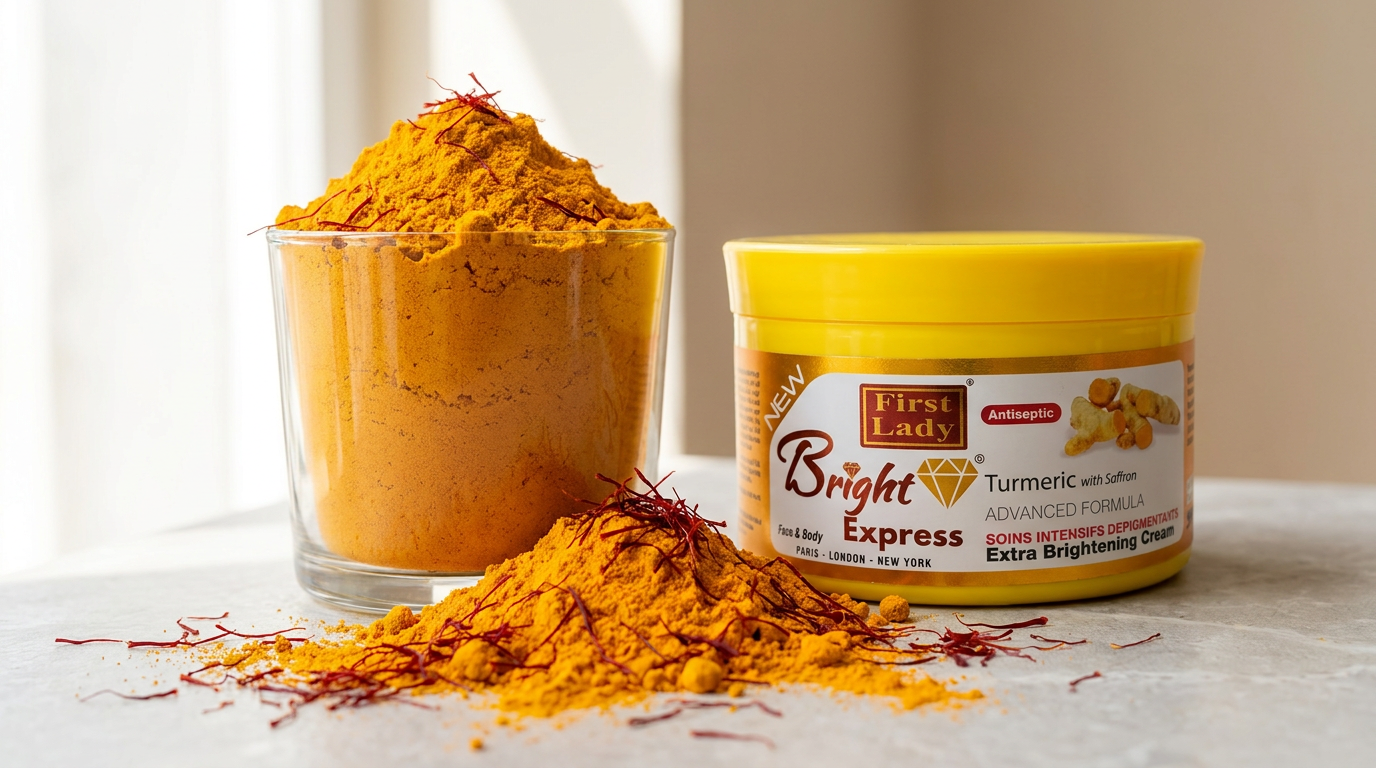
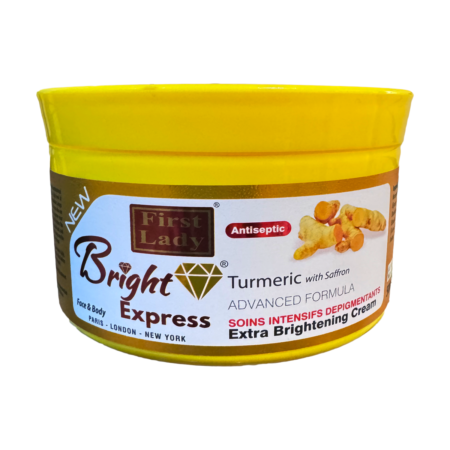
One thoughtfully formulated product that brings these three ingredients together is the First Lady Bright Express Turmeric with Saffron Extra Brightening Face & Body Cream. This luxurious, dual-purpose cream harnesses their combined potential in a nourishing base suitable for both facial and body application. Below, we examine the research behind each ingredient, their synergistic value, and practical guidance for incorporating such a formulation into a routine.
Understanding Skin Brightening and the Role of Melanin
Skin colour results from melanin produced by melanocytes. While melanin protects against UV damage, overproduction or uneven distribution creates dark spots, melasma, post-inflammatory hyperpigmentation (PIH), and overall dullness. Tyrosinase catalyses the initial steps of melanin synthesis. Therefore, ingredients that inhibit this enzyme or reduce oxidative stress and inflammation often promote a more even, brighter appearance.
Furthermore, antioxidants help neutralise free radicals that can trigger melanogenesis. Anti-inflammatory compounds soothe the skin and limit the cycle of irritation that worsens pigmentation. Consequently, a multi-targeted approach tends to deliver more balanced results than single-ingredient solutions.
Clinical and in vitro studies consistently highlight kojic acid, curcumin from turmeric, and saffron’s bioactive compounds (notably crocin) as promising options in this regard. Moreover, when combined in a stable, moisturising cream, these actives may offer enhanced tolerability and efficacy for regular use on both face and body.
Kojic Acid: A Well-Studied Tyrosinase Inhibitor for Fading Dark Spots
Kojic acid, a metabolite derived from certain fungi, has earned recognition as a potent skin-brightening agent. It works primarily by chelating copper ions essential for tyrosinase activity and by competitively inhibiting the enzyme itself. This dual action reduces melanin production at the source.
A comprehensive 2022 review in Cosmetics examined kojic acid’s applications and concluded it helps treat hyperpigmentary disorders including freckles, age spots, PIH, and melasma. Clinical trials referenced in the review demonstrated visible improvements in skin tone and radiance, with some formulations showing results comparable to hydroquinone yet often better tolerated over time.
For instance, a randomised split-face study found that a combination of 2% kojic acid with glycolic acid performed similarly to hydroquinone plus glycolic acid in reducing melasma, with a favourable safety profile. Another investigation using hyperspectral imaging confirmed measurable reductions in hyperpigmentation after consistent use of kojic acid preparations.
In addition, kojic acid exhibits antioxidant and mild anti-inflammatory properties that further support skin clarity. However, it is worth noting that individual responses vary; those with sensitive skin should introduce it gradually and always pair it with daily broad-spectrum sunscreen, as brightening agents can increase photosensitivity. The First Lady Bright Express Turmeric with Saffron Extra Brightening Face & Body Cream features kojic acid specifically to fade dark spots and help even the skin.
Turmeric (Curcumin): Antioxidant and Melanogenesis-Modulating Benefits
Turmeric, long valued in traditional systems, owes much of its skin-supporting reputation to curcumin. This polyphenol delivers robust antioxidant and anti-inflammatory effects while influencing key signalling pathways involved in melanin production.
Research shows curcumin inhibits melanogenesis in human melanocytes through activation of pathways. It downregulates microphthalmia-associated transcription factor (MITF) and related melanogenic enzymes, leading to reduced melanin content in a dose-dependent manner.
A 2016 systematic review in Phytotherapy Research evaluated clinical evidence for turmeric/curcumin in skin health and identified positive outcomes across multiple parameters, including pigmentation and overall skin appearance. More recent work reinforces curcumin’s ability to suppress UV-induced melanogenesis and photoaging through both direct tyrosinase inhibition and broader cellular protection.
Furthermore, curcumin’s anti-inflammatory action helps break the cycle of irritation that can exacerbate hyperpigmentation. Its antioxidant capacity neutralises reactive oxygen species generated by UV exposure or pollution, common triggers for dull, uneven skin. In the context of the First Lady cream, turmeric extract contributes brightening benefits while the overall formulation provides deep moisturisation, supporting skin resilience without the dryness sometimes associated with stronger actives.
Saffron: Antioxidant, Anti-pigmentation, and Radiance-Enhancing Properties
Saffron (Crocus sativus L.), prized for its delicate threads, contains potent bioactive compounds including crocin, crocetin, picrocrocin, and safranal. These deliver antioxidant, anti-inflammatory, photoprotective, and antipigmentation effects that complement the other two ingredients beautifully.
A 2023 study evaluating saffron extract in human dermal fibroblasts demonstrated significant tyrosinase inhibition (IC₅₀ of 0.78 mg/mL) alongside collagenase inhibition, promotion of collagen and hyaluronic acid synthesis, and enhanced cell migration for wound-healing support. A 2021 mini-review highlighted saffron’s dermoprotective qualities, including depigmenting and repairing activities beneficial for various skin concerns.
Moreover, a recent literature review on saffron in cosmetic dermatology confirmed its roles in skin ageing, melasma management, photoprotection, and moisturisation through antioxidant and antipigmentation mechanisms. Crocin, in particular, helps suppress tyrosinase activity and reduces oxidative stress that drives excess melanin. Saffron also imparts a subtle natural radiance, enhancing the overall luminous appearance of the skin. When included alongside kojic acid and turmeric, as in the First Lady Bright Express formulation, saffron adds a layer of broad-spectrum protection and glow-enhancing benefits.
Featured Product
Synergistic Effects: Why These Three Ingredients Excel Together in a Brightening Face & Body Cream
Individually powerful, kojic acid, turmeric, and saffron become even more compelling when formulated together. Kojic acid provides direct, competitive tyrosinase inhibition. Turmeric modulates intracellular signalling pathways and combats inflammation and oxidative stress. Saffron offers additional enzyme inhibition, potent antioxidant defence, photoprotective qualities, and support for skin matrix components.
This multi-angle strategy addresses pigmentation from several directions simultaneously. As a result, users may experience more comprehensive brightening, improved tone uniformity, and enhanced skin comfort compared with single-active products. The First Lady Bright Express Turmeric with Saffron Extra Brightening Face & Body Cream exemplifies this thoughtful combination, delivering advanced skin brightening through turmeric and kojic acid while saffron enhances natural radiance and evenness. Many competing brightening products rely on a single mechanism or harsher agents with higher irritation potential; this evidence-informed trio, presented in a versatile cream, offers a balanced, research-aligned approach suitable for consistent daily use.
How to Use the First Lady Bright Express Turmeric with Saffron Extra Brightening Face & Body Cream
For optimal results, consistency and proper technique matter. Follow these steps:
- Cleanse gently – Begin with a mild, non-stripping cleanser suited to your skin type. Pat skin dry.
- Apply the cream – Use a pea-sized amount for the face (or more for larger body areas). Massage lightly in upward motions until fully absorbed. Focus on areas of concern such as cheeks, forehead, or décolleté, and extend to body zones like arms or legs for overall even tone.
- Frequency – Apply morning and evening. In the morning, follow immediately with a broad-spectrum SPF 30 or higher and reapply throughout the day.
- Patch test first – Apply a small amount to the inner arm for 24-48 hours before full-face or body use, especially if you have sensitive skin.
- Supportive habits – Maintain excellent sun protection, stay hydrated, and consider a diet rich in antioxidants. Avoid picking at skin or using irritating exfoliants concurrently without professional guidance.
Most users notice initial improvements in hydration and softness within days. Visible brightening and evening of tone typically emerge after 4-8 weeks of diligent use, aligning with timelines observed in clinical studies of these actives.
What Results to Expect and Important Considerations
Results vary according to skin type, the severity and duration of pigmentation, sun exposure habits, and adherence to the routine. Clinical evidence indicates gradual, measurable reductions in melanin index and improvements in skin tone homogeneity with consistent application of these ingredients.
However, dramatic overnight transformation is unrealistic and often signals unsafe formulations. Sustainable brightening develops progressively as melanin turnover occurs and new, more evenly pigmented skin cells surface.
It remains essential to manage expectations: these ingredients help promote brighter-looking skin and support even tone, yet they do not alter genetic skin colour or treat underlying medical conditions. Individuals with persistent or concerning pigmentation should consult a dermatologist or qualified skincare professional. Pregnant or breastfeeding individuals, or those with specific skin conditions, should seek personalised advice before introducing new actives.
Why Quality Formulations Matter When Choosing a Brightening Cream
Not all brightening products deliver comparable results. Effective formulations require stable concentrations of active ingredients, compatible supporting ingredients that enhance penetration and minimise irritation, and a base that maintains skin barrier health.
The First Lady Bright Express cream stands out by combining three research-supported actives in a moisturising, dual-use format at £9.99, reducing the need for multiple separate products while maximising the complementary benefits of kojic acid, turmeric, and saffron.
When evaluating options, look for transparent ingredient lists, evidence of clinical or in vitro support for the key actives, and suitability for your skin type and lifestyle. Prioritise products from reputable sources that emphasise both efficacy and skin comfort.
Final Thoughts
Kojic acid, turmeric, and saffron represent a compelling, science-aligned trio for those seeking to promote brighter-looking, more even-toned skin. Their distinct yet overlapping mechanisms – enzyme inhibition, antioxidant protection, and radiance support – create meaningful synergy, particularly when delivered in a well-crafted cream such as the First Lady Bright Express Turmeric with Saffron Extra Brightening Face & Body Cream.
By understanding the research and using the product consistently with proper sun protection, many individuals can enjoy visible improvements in skin clarity and luminosity. For personalised guidance, always consult a skincare professional.
Embrace the journey to brighter skin with ingredients backed by peer-reviewed science and thoughtful formulation.
References
- Phasha, V., et al. (2022). Review on the Use of Kojic Acid—A Skin-Brightening Agent. Cosmetics, 9(3), 64. doi.org/10.3390/cosmetics9030064
- Vaughn, A. R., et al. (2016). Effects of Turmeric (Curcuma longa) on Skin Health: A Systematic Review of the Clinical Evidence. Phytotherapy Research, 30(8), 1243–1264. pubmed.ncbi.nlm.nih.gov
- Xiong, J., et al. (2023). Evaluation of saffron extract bioactivities relevant to skin resilience. Journal of Herbal Medicine. sciencedirect.com
- Rigi, H., et al. (2021). Dermoprotective Effects of Saffron: A Mini Review. PubMed
- Saeedi, M., et al. (2019). Kojic acid applications in cosmetic and pharmaceutical preparations. Biomedicine & Pharmacotherapy. pubmed.ncbi.nlm.nih.gov
- Wawrzyk-Bochenek, I., et al. (2023). Evaluation of the Reduction of Skin Hyperpigmentation. PMC / NIH
- Additional supporting studies on curcumin melanogenesis inhibition and saffron cosmetic dermatology (2023–2026 reviews).
- British Association of Dermatologists – Melasma patient information: bad.org.uk
- NHS – Skin care tips and general skin health guidance: nhs.uk