
The Real Reason Your Hair Isn't Growing as Long as You Want
Hair breakage, not slow growth, often stops your hair from reaching the desired lengths. Learn the science behind weak strands, discover strengthening solutions like First Lady Jamaican Black Castor Oil and Panthenol Placenta, and adopt practical steps for longer, healthier hair.
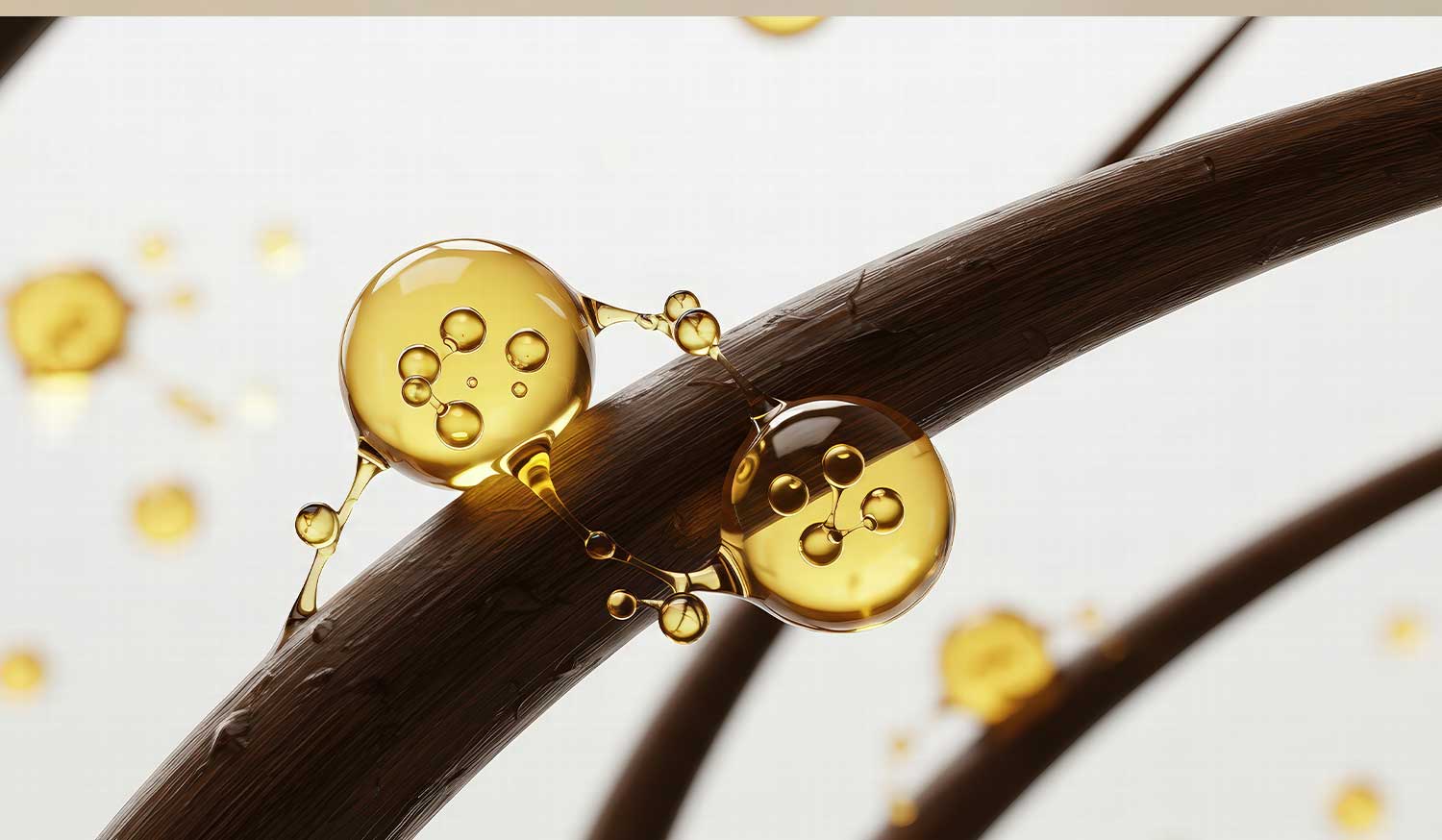
Many people feel frustrated when their hair refuses to grow past a certain length. You invest in vitamins, eat protein rich foods, and follow routines diligently, yet results disappoint. The truth often lies not in stalled growth but in excessive breakage. Hair grows at an average rate of about 1 cm per month, yet damage causes strands to snap before they reach noticeable lengths.
This distinction between true growth and length retention proves crucial. Research backed insights reveal why weak strands break and how targeted strengthening treatments support longer, stronger hair growth. Products like First Lady’s Jamaican Black Castor Oil & Panthenol Hair Placenta offer a powerful combination to moisturise, fortify, and revitalise.
In this in depth guide, explore the hair growth cycle, common breakage causes, scientific evidence for key ingredients, and actionable strategies. By the end, you will understand how to shift from frustration to visible progress.
The Science of the Hair Growth Cycle
Human hair follows a cyclic process with three main phases: anagen (growth), catagen (transition), and telogen (resting). During anagen, which lasts 2-7 years for scalp hair, follicles produce hair at roughly 1 cm monthly. About 85-90% of hair remains in this active phase at any time.
Catagen marks a short regression period (2–3 weeks), followed by telogen, where hairs rest for around 3 months before shedding. This natural shedding (50–100 hairs daily) is normal. However, stressors push more hairs prematurely into telogen, causing telogen effluvium temporary increased shedding without follicle damage.
Key insight: Hair follicles remain capable of producing new strands continuously under healthy conditions. The real barrier to length often involves the existing shaft breaking mid-length due to structural weakness, not halted production from the root.
Dermatological studies confirm that distinguishing breakage from true loss requires examining strand characteristics: breakage shows blunt or split ends and uneven lengths anywhere on the hair, while new growth appears finer, tapered, and concentrated near the scalp or hairline.
Hair Breakage vs True Growth: The Critical Difference
Breakage occurs when the hair shaft weakens and fractures under tension or environmental stress. Unlike shedding from the root (with a bulb), broken hairs snap along the shaft, leaving shorter, damaged pieces. This creates the illusion of stalled growth.
Multi-angle perspectives:
- Mechanical view: Friction from brushing, tight styles, or towels weakens cuticles.
- Chemical view: Colouring, relaxing, or heat alters keratin bonds.
- Nutritional view: Deficiencies in iron, zinc, biotin, or protein reduce shaft resilience.
- Environmental view: UV exposure, pollution, and low humidity dry out strands.
A review in Cosmetics highlights how external factors compound internal vulnerabilities, leading to trichorrhexis nodosa, nodular swellings that act as breakage points.
Without intervention, breakage outpaces growth, keeping hair short despite active follicles. Strengthening the shaft becomes essential for length retention.
Common Causes of Weak, Breakage Prone Hair
Understanding root causes enables effective targeting:
- Over Processing and Chemicals: Bleaching, perming, and dyes disrupt disulfide bonds in keratin, making hair porous and brittle.
- Heat Damage: High temperatures from stylers remove moisture and denature proteins. Repeated use leads to cumulative weakness.
- Mechanical Stress: Tight ponytails, excessive brushing, or rough towel drying create micro fractures.
- Dryness and Poor Moisture Balance: Low humidity or harsh shampoos strip natural oils, increasing friction and breakage.
- Nutritional Gaps: Studies link deficiencies in vitamin D, iron, and zinc to fragile hair. Protein shortages impair keratin production.
- Lifestyle Factors: Stress, poor sleep, and hormonal shifts exacerbate telogen effluvium while weakening shafts.
- Genetics and Hair Type: Coily or curly textures (e.g., Type 4) are prone to dryness due to sebum distribution challenges, amplifying breakage risks.
These factors interact. For instance, chemically treated hair under heat stress breaks far more readily.
-
 £9.99
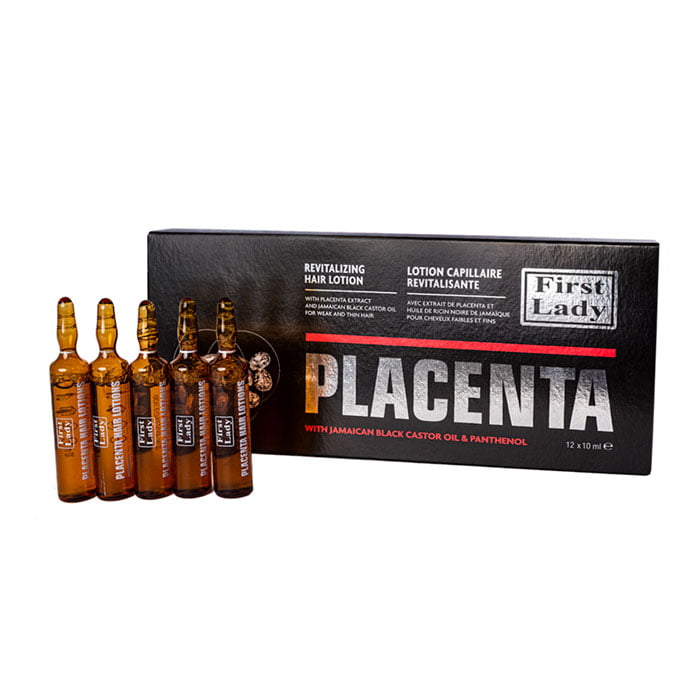
£9.99First Lady Jamaican Black Castor Oil & Panthenol Hair Placenta – Strengthen, Nourish & Revitalise Hair
Transform weak, thinning and damaged hair with First Lady Jamaican Black Castor Oil & Panthenol Hair Placenta, an intensive leave in treatment specially formulated to nourish, strengthen and support healthier looking hair. Enriched with the powerful benefits of Stinging Nettle Leaf extract, Capsicum Fruit Extract, Castor oil, Panthenol, and Placenta Protein, this revitalising formula helps reduce breakage, improve moisture retention and restore shine from the very first application.
Read our blog: Benefits of Castor Oil on Hair and Scalp
Effective solutions focus on repairing and protecting the hair shaft while supporting scalp health. Two standout ingredients Jamaican Black Castor Oil and Panthenol deliver proven benefits.
Jamaican Black Castor Oil (JBCO):
Derived from roasted castor beans, JBCO is rich in ricinoleic acid (85–95%), which improves scalp circulation and provides deep moisturisation. It strengthens thin hair, reduces breakage, and seals split ends. While large-scale clinical trials remain limited, traditional use and mechanistic studies support its role in creating a protective barrier and enhancing moisture retention.
JBCO’s thicker consistency penetrates well, particularly benefiting dry or processed hair.
Panthenol (Provitamin B5):
Panthenol acts as a humectant, penetrating the cortex to form hydrogen bonds with hair proteins. This increases tensile strength, reduces breakage, and improves elasticity.
Research in Current Issues in Molecular Biology shows D-panthenol promotes cell proliferation in hair follicles and prevents senescence. Placenta extracts, rich in proteins and growth factors, further support restructuring and nourishment.
Product Synergy:
The First Lady Jamaican Black Castor Oil & Panthenol Hair Placenta combines these for a lightweight leave in treatment. It strengthens weak strands, deeply moisturises, reduces breakage induced fall, and supports healthier-looking growth. Ideal for natural, coloured, or chemically treated hair, apply to clean scalp and strands daily no rinse needed.
Shop First Lady Jamaican Black Castor Oil & Panthenol Hair Placenta here.
Users often report softer, more manageable hair with better length retention within weeks
Practical Steps to Achieve Longer, Stronger Hair Growth
Implement these sequentially for optimal results:
- Assess and Trim: Identify breakage patterns. Trim damaged ends to prevent split progression.
- Gentle Cleansing: Use sulphate free shampoos 1-2 times weekly. Follow with conditioners containing panthenol.
- Moisturise and Seal: Apply JBCO based treatments regularly. Layer with a sealant like shea butter for curly textures.
- Minimise Damage: Reduce heat (use protectants when necessary), opt for loose styles, and use wide-tooth combs or fingers for detangling.
- Nutrition and Lifestyle: Ensure balanced intake of protein, iron, zinc, and vitamins. Manage stress through sleep and exercise.
- Routine Integration: Incorporate leave in treatments and ensure they are massaged into scalp for circulation benefits.
- Monitor Progress: Take monthly photos. Track reduced shedding and increased length.
- Professional Support: Consult a dermatologist for persistent issues like underlying deficiencies or conditions.
Consistency yields noticeably longer, stronger hair growth.
Additional Tips from Multiple Angles
- For Processed Hair: Prioritise protein treatments balanced with moisture to avoid over hardening.
- For Natural Textures: Focus on the LOC (Liquid, Oil, Cream) method for superior retention.
- Seasonal Adjustments: Increase humectants in dry winters; protective styles in humid summers.
- Avoid Common Pitfalls: Over washing, cotton pillowcases (switch to silk/satin), and ignoring scalp health.
These approaches address mechanical, chemical, and biological factors comprehensively.
Final thoughts: Transform Frustration into Healthy Length
The real reason your hair isn’t growing as long as desired is frequently breakage of weak strands, not insufficient growth. By understanding the cycle, minimising damage, and using science supported strengthenings found in First Lady’s Jamaican Black Castor Oil and Panthenol Placenta, you can achieve significant length retention and vitality.
First Lady’s targeted formula provides an accessible, effective step toward your goals. Start today, your longer, stronger hair awaits.
References
- NHS Hair Loss Guidance: https://www.nhs.uk/symptoms/hair-loss/
- British Skin Foundation and Alopecia UK resources for patient support.
- PubMed/PMC studies on hair cycle and ingredients (e.g., PMC9917549, PMC6380979).
- Dermatological insights from NHS-affiliated trusts.