
Foaming Face Cleanser: Why It's Ideal for Oily & Combination Skin Types
Discover why foaming cleansers in oily skin routines excel at removing excess oil without heaviness. Explore the science-backed benefits of niacinamide, Amla Fruit Extract, and Carrot Seed Extract in First Lady’s Carrot Skin Brightening Face Wash for deep cleansing, pore unblocking, and bacteria control.
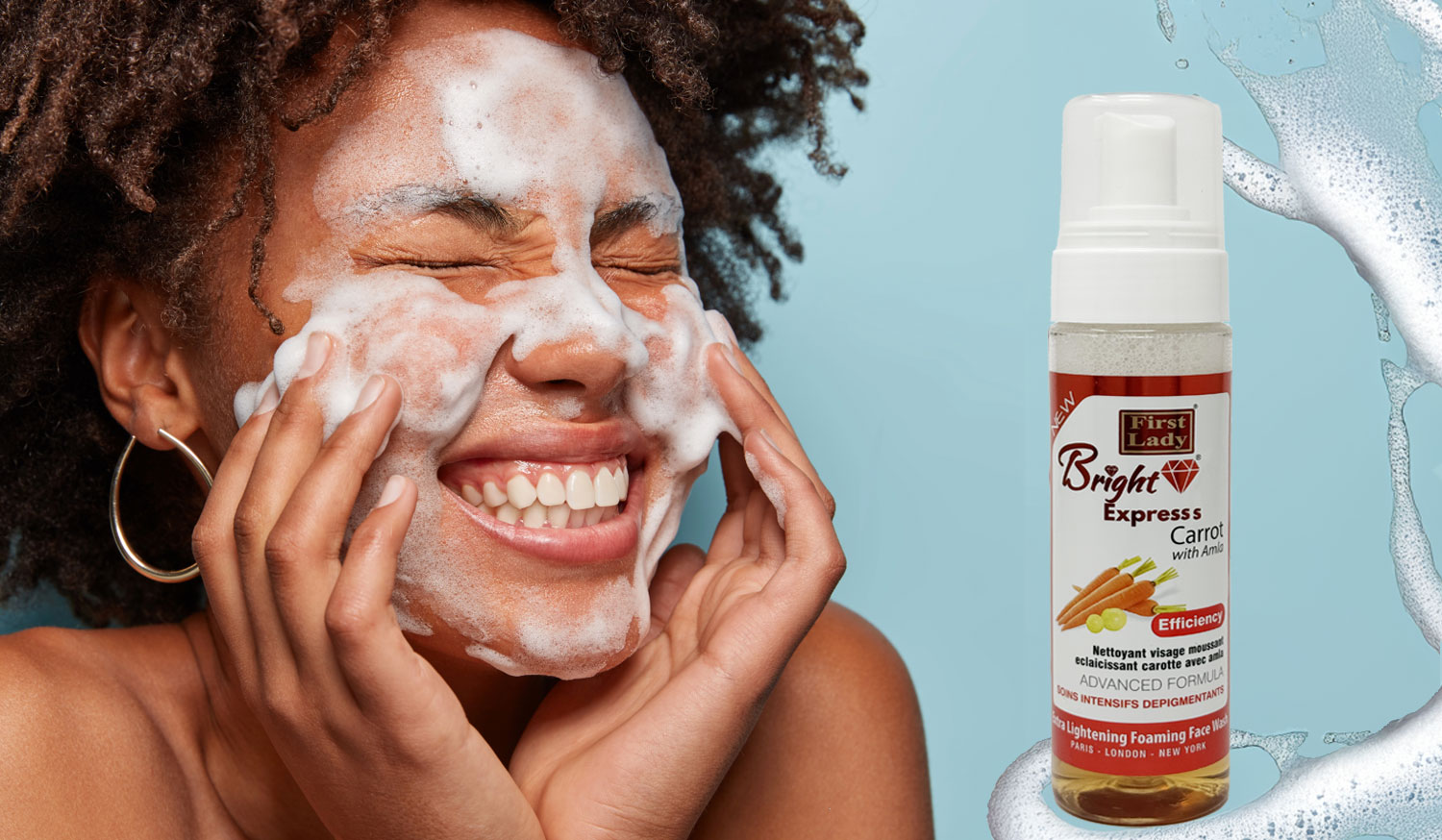
Foaming cleansers have become a staple in skincare routines for good reason, especially for those with oily or combination skin. Unlike heavier creams or milky cleansers that can leave a residue, foaming formulas deliver a lightweight, airy lather that effectively lifts away impurities. This blog dives deep into why foaming cleanser oily skin solutions stand out, focusing on their ability to tackle excess sebum while maintaining balance. We’ll reference academic and medical sources throughout.
Understanding Oily and Combination Skin Challenges
Oily skin produces excess sebum, leading to shine, enlarged pores, and breakouts. Combination skin mixes this with drier areas, often on the cheeks. The T-zone (forehead, nose, chin) tends to be oilier, making gentle yet effective cleansing crucial. Harsh products can strip the skin, triggering more oil production, a counterproductive cycle.
Foaming cleansers address this by emulsifying oils and debris without disrupting the skin barrier. Their surfactant based formulas create bubbles that penetrate pores efficiently, rinsing clean with minimal residue. This leaves skin fresh, not tight or heavy.
Why Foaming Cleansers Excel for Oily and Combination Skin
Foaming cleansers are particularly suited because they excel at removing excess oil, makeup, sunscreen, and dirt without leaving skin feeling heavy. Dermatological insights confirm they cut through sebum effectively while being less likely to over-dry when formulated thoughtfully.
Key advantages include:
- Deep yet gentle cleansing: The foam lifts impurities from pores, reducing the risk of clogs that lead to spots.
- Lightweight feel: Ideal for daytime or humid conditions, preventing that greasy aftermath.
- Sebum control: Many incorporate ingredients that regulate oil production over time.
Studies support that proper cleansing reduces acne lesions by controlling the skin microbiome and removing pollutants. For combination skin, they balance the oily zones without dehydrating drier patches.
The Science Behind Key Ingredients in Effective Foaming Cleansers
First Lady London’s Carrot Skin Brightening Wash exemplifies this with targeted, research supported components.
Niacinamide: The Oil Regulating Powerhouse
Niacinamide (vitamin B3) is a multitasking ingredient backed by extensive research. It reduces sebum production, particularly beneficial for oily skin types. A review in Applied Sciences notes its efficacy across skin types, including oily and acne-prone, by improving barrier function and reducing inflammation.
Clinical data show that 2-4% niacinamide significantly lowers sebum excretion and pore size. It also exhibits bacteriostatic effects against Cutibacterium acnes (formerly P. acnes), the bacteria linked to spots. Users often notice less shine and fewer breakouts within weeks. In foaming formats, it integrates seamlessly for daily use without irritation.
Plus, it helps improve uneven skin tone and reducing the appearance of dark spots and hyperpigmentation. Unlike traditional skin brightening agents that inhibit melanin production directly, niacinamide works by reducing the transfer of melanosomes (pigment-containing granules) from melanocytes to surrounding keratinocytes, thereby decreasing the visible accumulation of pigment in the skin.
Amla Fruit Extract: Antioxidant and Brightening Support
Amla (Phyllanthus emblica), or Indian gooseberry, is rich in vitamin C and polyphenols. Research in the Journal of Traditional and Complementary Medicine demonstrates its role in promoting collagen, improving elasticity, hydration, and reducing wrinkles.
Its antioxidant properties combat oxidative stress from pollution and UV, common in urban environments. Amla helps purify skin, fight toxins, and support even tone aligning with brightening benefits. PMC studies highlight its anti-inflammatory and skin repair effects.
Carrot Seed Extract: Antimicrobial and Soothing Benefits
Carrot seed extract offers antibacterial, antifungal, and antioxidant action. A PMC study on Daucus carota essential oil showed strong activity against Gram-positive bacteria and dermatophytes, with low cytotoxicity at appropriate concentrations.
It aids in reducing blemishes, brightening the skin tone, soothing skin, and providing natural preservation. Combined with niacinamide and amla, it enhances the wash’s ability to fight spot-causing bacteria while unblocking pores.
-
 -60% Off
£9.99Original price was: £9.99.£3.99Current price is: £3.99.First Lady Bright Express Carrot with Amla Brightening Foaming Face Wash contains Carrot extracts rich in B-carotene, which whitens and soothes the skin.
Product Spotlight: First Lady London Carrot Skin Brightening Wash
This self foaming face wash deeply cleanses dirt, oil, and makeup, while brightening the skin, making skin prepped for leave on skin products. Infused with niacinamide, Amla Fruit Extract, and Carrot Seed Extract, it lightens and tones while delivering the benefits outlined. Its foaming technology ensures a thorough rinse, perfect for oily/combination skin.
Benefits in Action: Deep Cleansing, Bacteria Control, and Pore Health
Deeply cleanses dirt, oil, and makeup: Foaming action emulsifies oils for complete removal, preventing buildup.
Fights spot-causing bacteria: Ingredients like niacinamide and carrot seed provide antimicrobial support, reducing acne risk per clinical comparisons.
Helps unblock pores: By controlling sebum and gently exfoliating via natural actives, it minimises blackheads and congestion.
Moreover, these avoid the heaviness of oil-based cleansers, leaving skin matte yet comfortable crucial for all-day confidence.
How to Incorporate Foaming Cleanser in an Oily Skin Routine
- Morning cleanse: Wet face, pump the foam, massage gently for 30-60 seconds, rinse. Follow with lightweight serum/moisturiser.
- Evening double cleanse (if wearing makeup): Start with oil-based if needed, then foaming wash.
- Frequency: Twice daily. Avoid over-washing to prevent rebound oiliness.
- Patch test: Especially with active ingredients.
- Pairing tips: Use with niacinamide serums or salicylic acid treatments for enhanced results.
Thought process in formulation: Balancing surfactants with soothing extracts ensures efficacy without compromise, as seen in evidence-based products.
Comparing Foaming vs Other Cleansers
Gel cleansers suit oily skin but may feel less luxurious. Creams can feel heavy. Foaming offers the best of both, effective oil removal with a refreshing finish. For combination skin, it prevents dryness in the cheeks while controlling T-zone shine.
Addressing Common Concerns
Some worry foaming cleansers strip the barrier. Modern formulas with barrier supporting ingredients like niacinamide mitigate this. Research confirms that well-formulated ones maintain hydration. Consult a dermatologist for persistent issues via NHS pathways.
Real World Results and Expert Perspectives
Users with oily skin report reduced shine, fewer spots, and improved texture. Scientific literature aligns, showing consistent benefits from these activities.
Step-by-step user journey: Assess skin type → Choose evidence-based product → Consistent use for 4-6 weeks → Monitor with photos → Adjust as needed. This sequential approach yields measurable results.
Why This Product Stands Superior
First Lady’s formula combines traditional botanicals with modern science for targeted lightning and cleansing. It removes excess oil without heaviness, fights bacteria, and unblocks pores delivering visible clarity and even tone. Superior to generic options due to synergistic key ingredients.
In summary, foaming cleanser oily skin options like this provide an optimal balance of efficacy and gentleness.
References
- Marques et al. (2024). Mechanistic Insights into Niacinamide. PMC.
- Chaikul et al. (2021). Amla skin benefits. Journal of Traditional and Complementary Medicine. PMC.
- Alves-Silva et al. (2016). Carrot seed is antimicrobial. PMC.
- British Skin Foundation: https://www.britishskinfoundation.org.uk/ (UK research charity).
- British Association of Dermatologists Patient Hub: https://www.skinhealthinfo.org.uk/ (Impartial UK advice).